Kenya · Region 1 of 5
Kenya safaris, from the Masai Mara to the coast
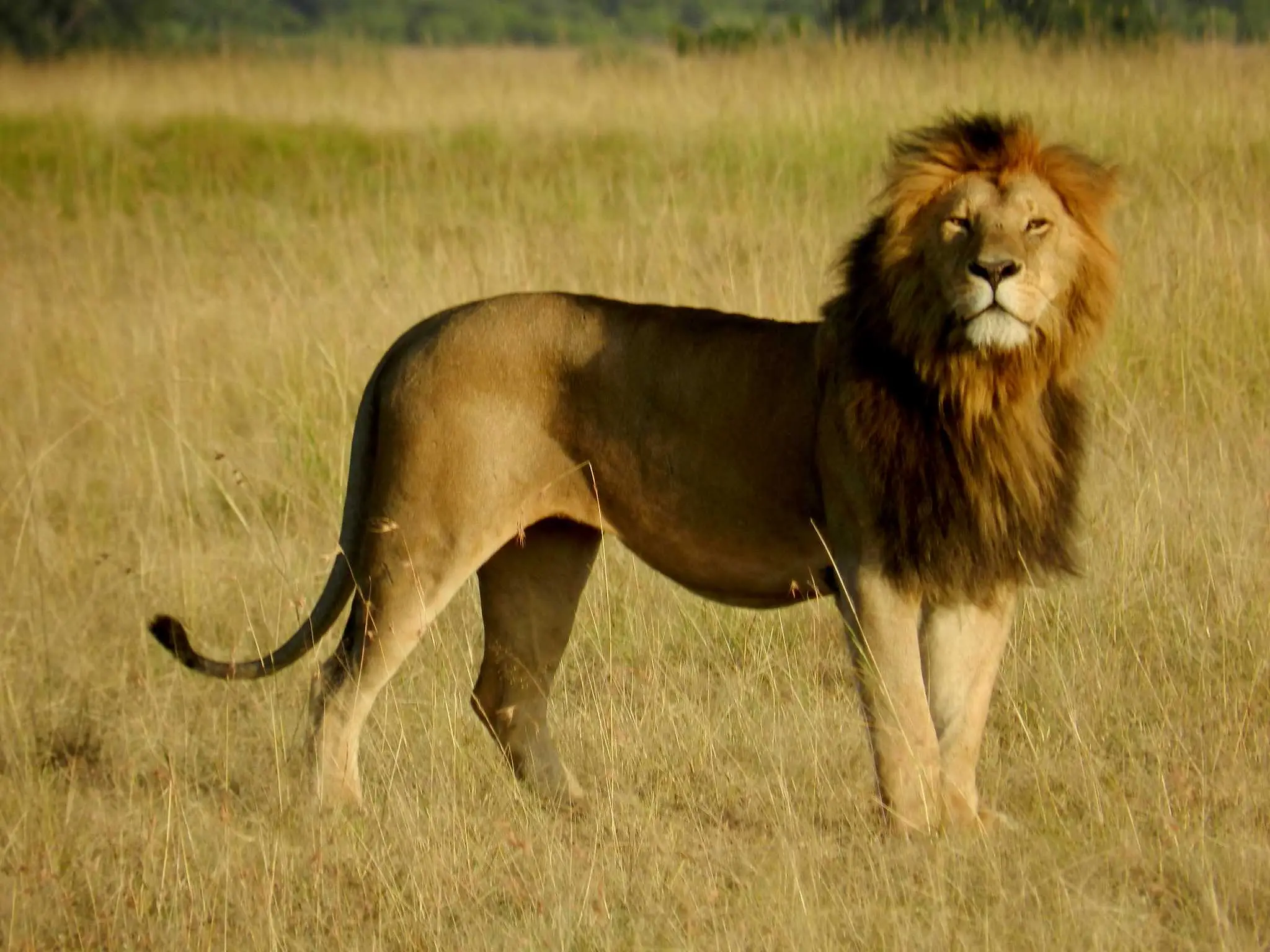
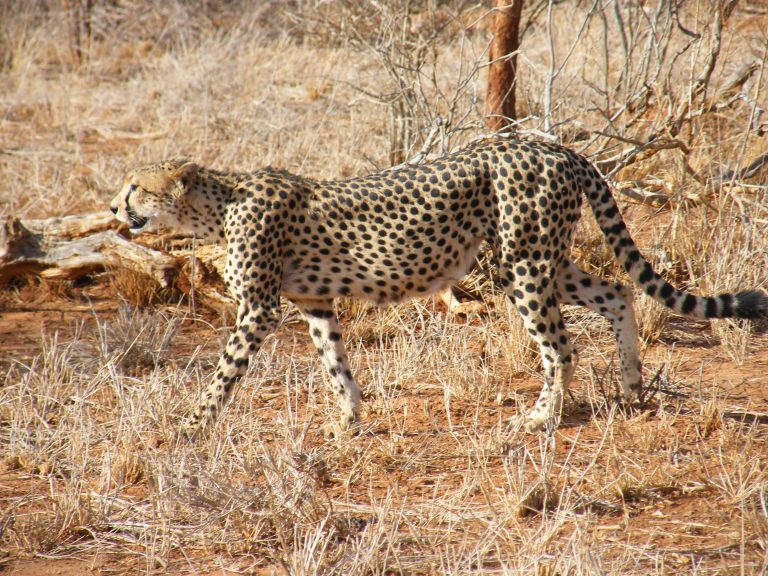
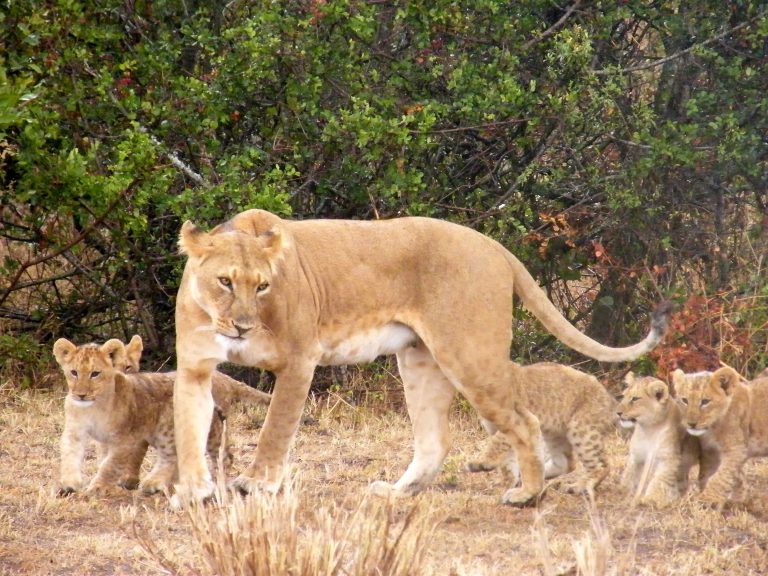
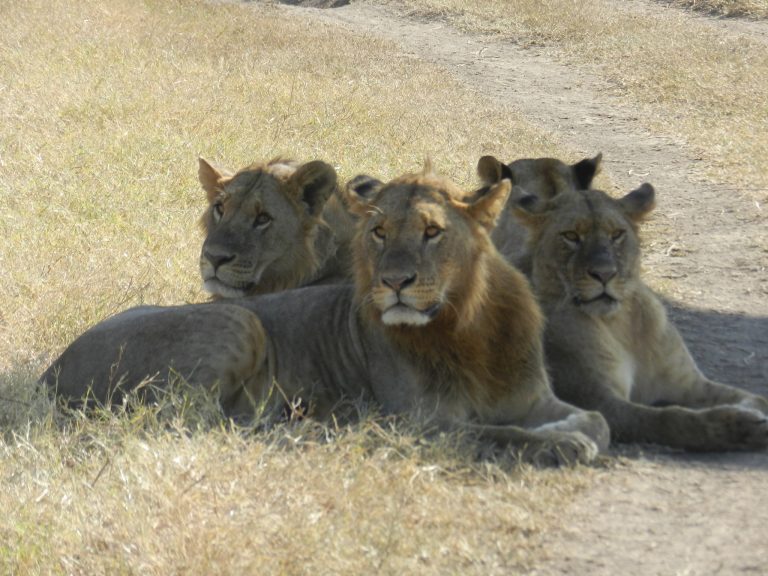
Lion, cheetah and leopard all year, and the Great Migration from about July to October.
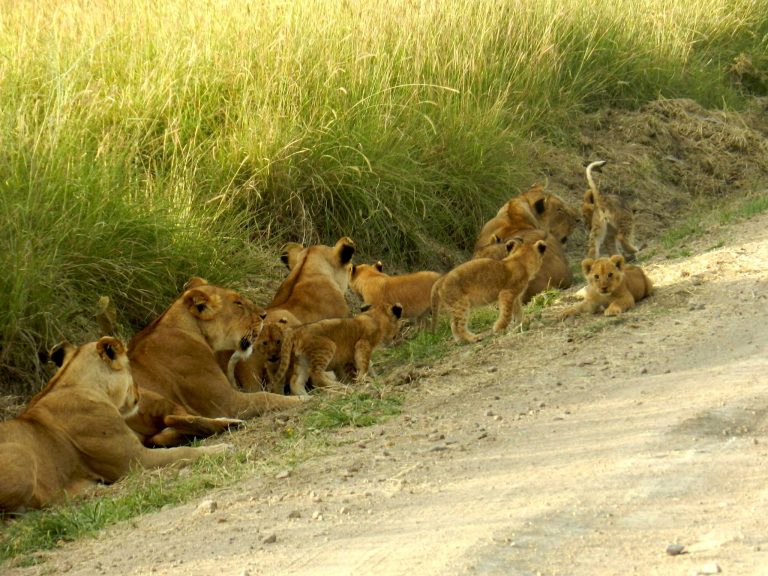
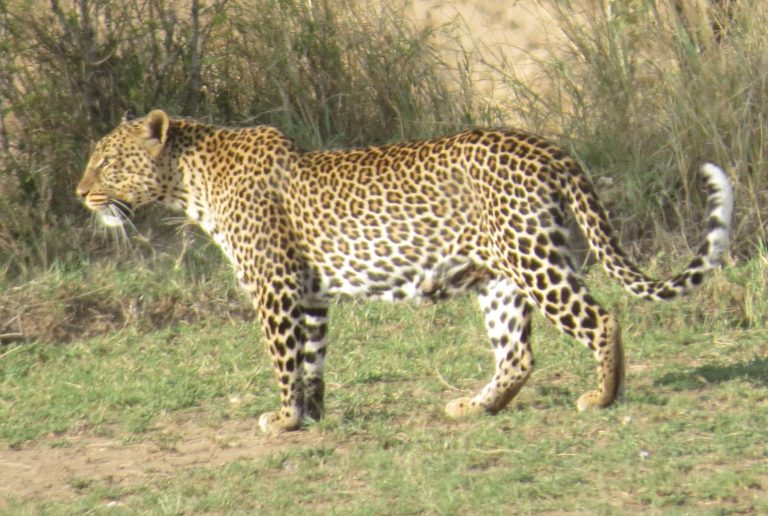
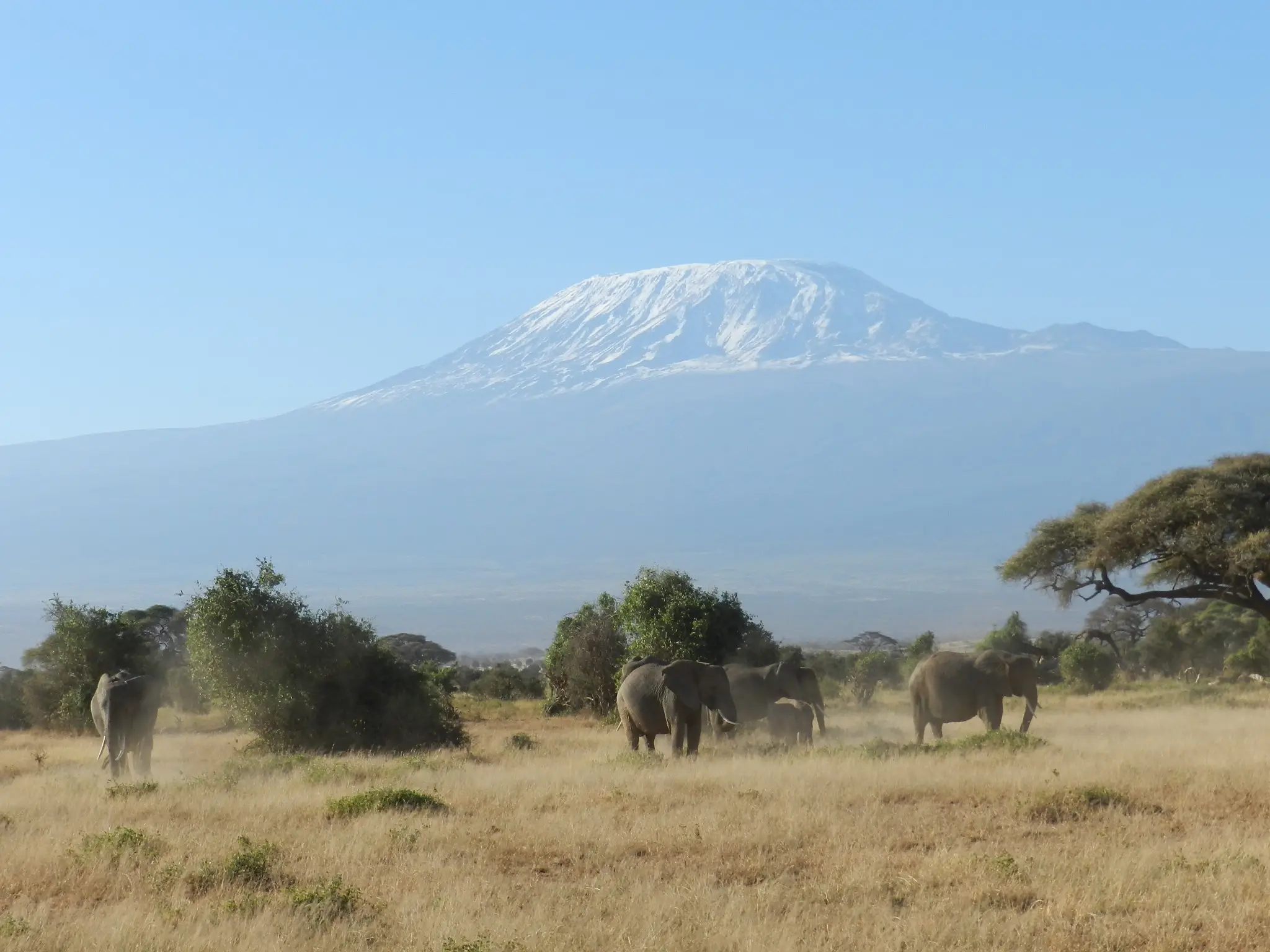
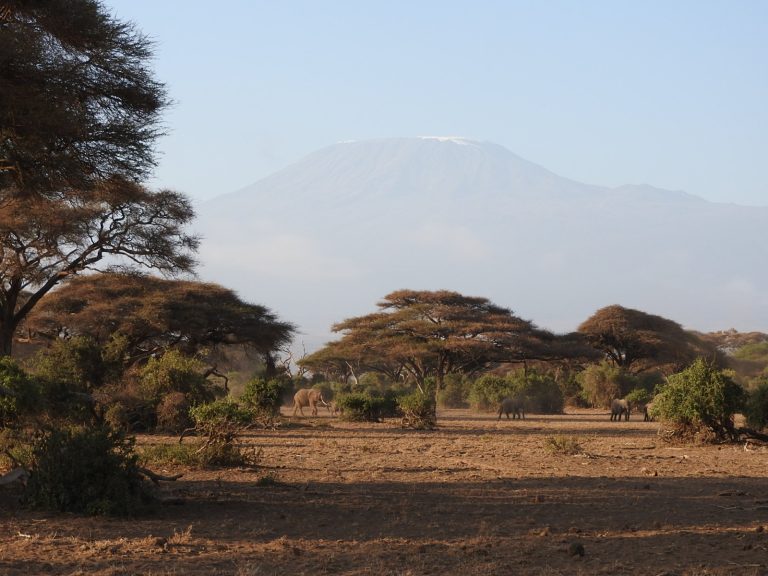
Breathtaking Landscapes, History, Cultures & Wildlife
Located in East Africa with a coastline flanking the Indian Ocean, Kenya encompasses many landscapes – savannahs, Lakelands, the dramatic Great Rift Valley and mountain highlands too. It is home to rich and thriving animal populations, including lions, elephants and rhinos. From the capital, Nairobi, safari goers make their way to the Masai Mara Reserve (known for its annual wildebeest migrations) and Amboseli National Park (which offers breathtaking views of Tanzania’s 5,895 m Mt. Kilimanjaro). The fact that it straddles the equator with negligible seasonal temperature variance, makes Kenya the perfect year-round destination for a combination of Safari & Beach Holiday.
Kenya safaris with prices
Magical Kenya Safari
Nairobi City, Samburu Game Reserve, Nanyuki, Ol Pejeta Wildlife Conservancy, Lakes Nakuru/Naivasha & Masai Mara Game Reserve
From US$3,989 pp
View tripSights of Kenya Safari
Lake Nakuru National Park & Masai Mara National Reserve
From US$1,436 pp
View tripKenya Amazing Safari
Samburu National Reserve, Ol Pejeta Conservancy, Lake Naivasha & Masai Mara National Reserve
From US$2,840 pp
View tripWild South Kenya Safari
Amboseli National Park & Tsavo East National Park
From US$1,700 pp
View tripSouthern Circuit Comfort Safari
Amboseli National Park, Tsavo West National Park & Taita Hills Wildlife Sanctuary
From US$1,870 pp
View tripTrails of Amboseli & Tsavo
Amboseli National Park, Tsavo West National Park & Tsavo East National Park
From US$1,750 pp
View tripJewels of Kenya Safari
Masai Mara National Reserve, Lake Nakuru National Park & Aberdare National Park
From US$1,720 pp
View trip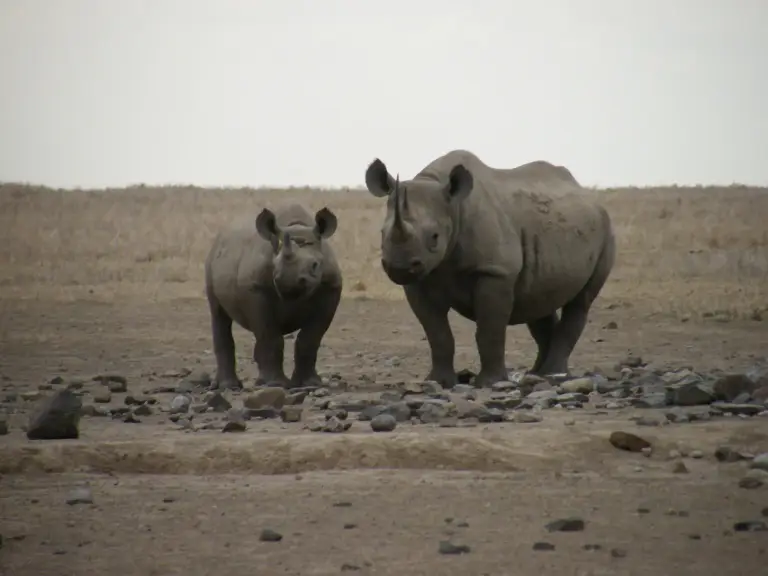
Majestic Kenya Safari
Ol Pejeta Conservancy, Lake Naivasha & Masai Mara National Reserve
From US$2,780 pp
View tripRhino Safari
Ol Pejeta Conservancy, Lake Naivasha & Masai Mara National Reserve
From US$2,856 pp
View trip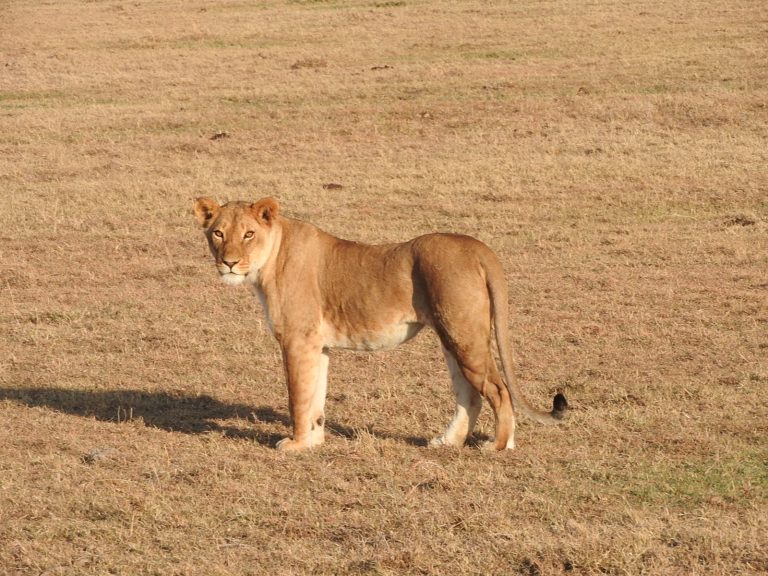
Amazing Kenya & Tanzania Safari
Nairobi, Amboseli, Lake Manyara, Ngorongoro Crater, Serengeti & Masai Mara
From US$5,574 pp
View tripSpectacular Kenya Safari
Lake Nakuru National Park & Masai Mara National Reserve
From US$1,435 pp
View tripJambo Kenya Safari
Amboseli National Park, Lake Nakuru National Park & Masai Mara National Reserve
From US$2,245 pp
View tripWonders of Kenya Safari
Masai Mara National Reserve, Lake Nakuru National Park, Aberdare National Park & Samburu National Reserve
From US$2,390 pp
View trip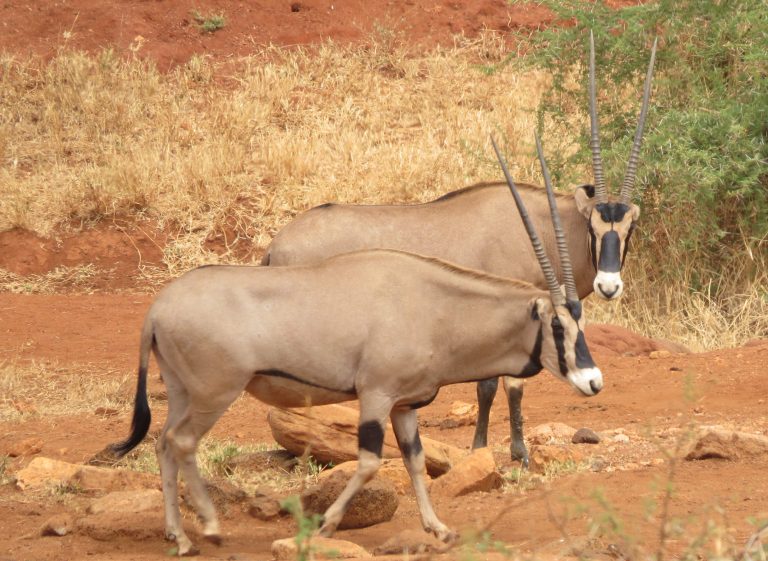
Legendary Kenya Safari
Amboseli National Park, Tsavo West National Park & Tsavo East National Park
From US$1,760 pp
View trip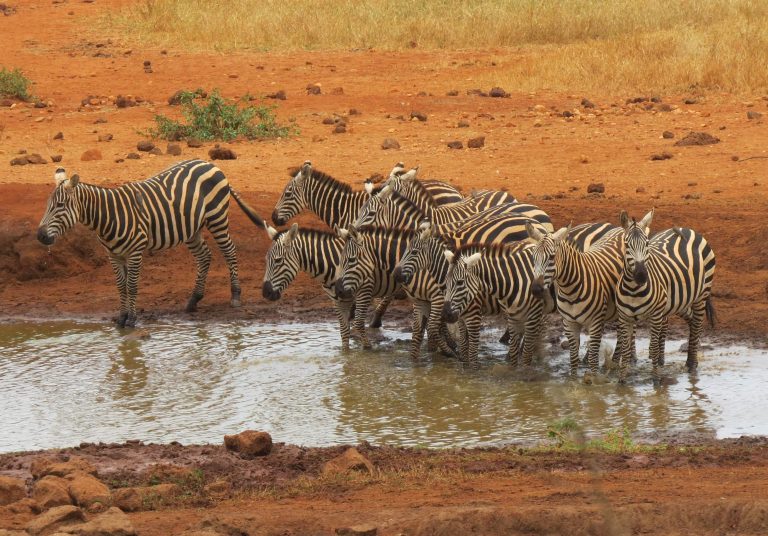
Highlights of Kenya Safari
Tsavo West National Park, Amboseli National Park, Lake Nakuru National Park & Masai Mara National Reserve
From US$3,215 pp
View tripBig Five Safari & Beach Holiday
Masai Mara National Reserve, Lake Naivasha, Amboseli National Park, Tsavo East National Park & Diani Beach
From US$3,790 pp
View trip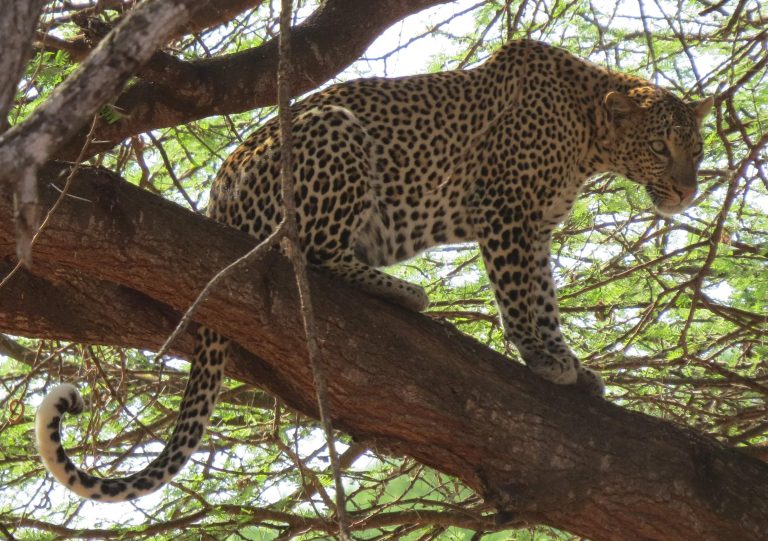
Lion King Safari
Samburu National Reserve, Meru National Park & Ol Pejeta Conservancy
From US$1,915 pp
View trip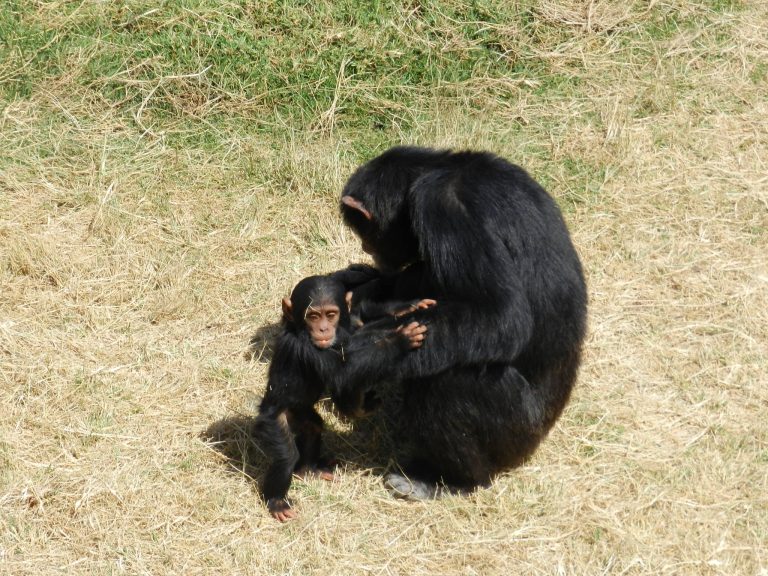
Kenya Magical Safari
Samburu National Reserve, Ol Pejeta Conservancy, Lake Naivasha & Masai Mara National Reserve
From US$2,765 pp
View trip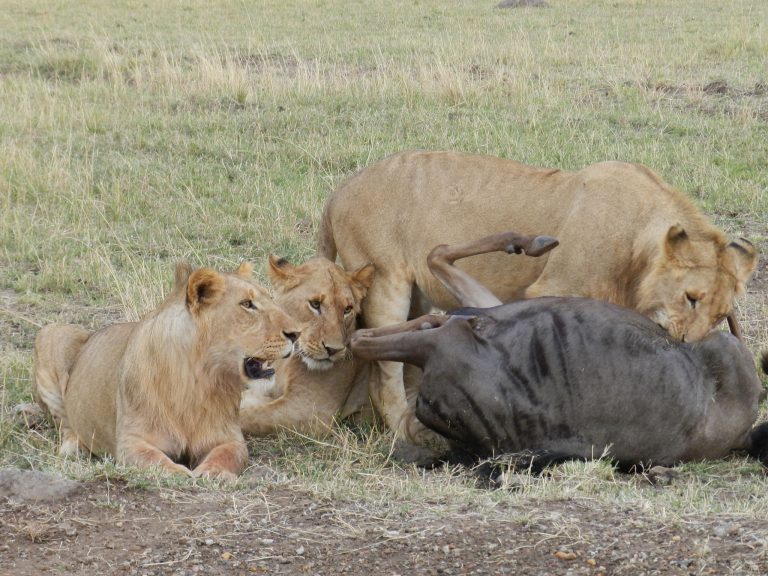
King of the Jungle Safari
Samburu National Reserve, Ol Pejeta Conservancy, Lake Naivasha & Masai Mara National Reserve
From US$3,450 pp
View trip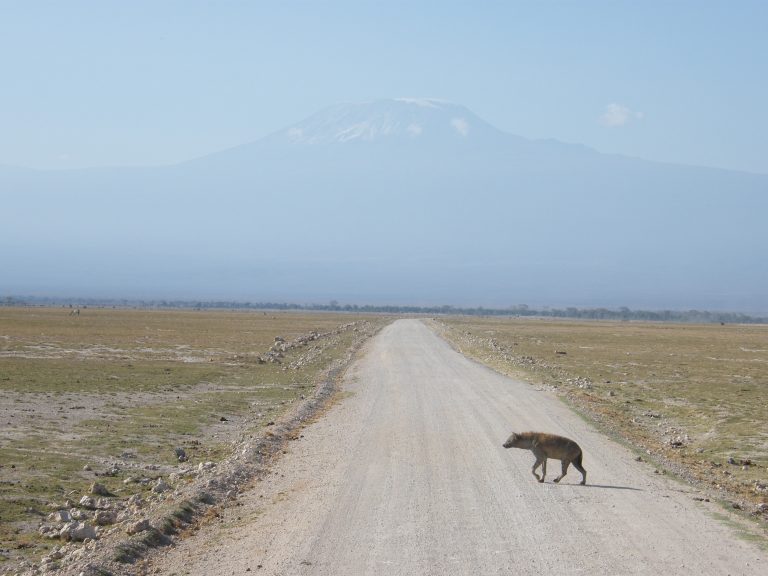
No safaris match that filter yet. Ask us to plan one.
Kenya's "Must" visit locations
Nairobi City & Attractions
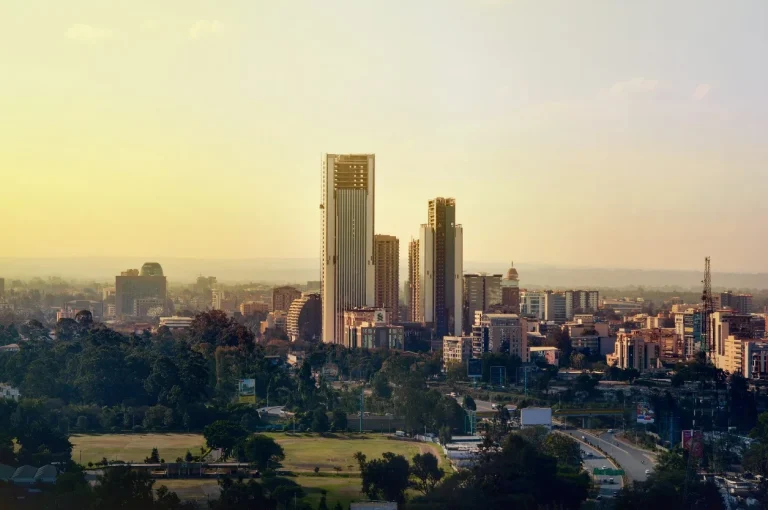
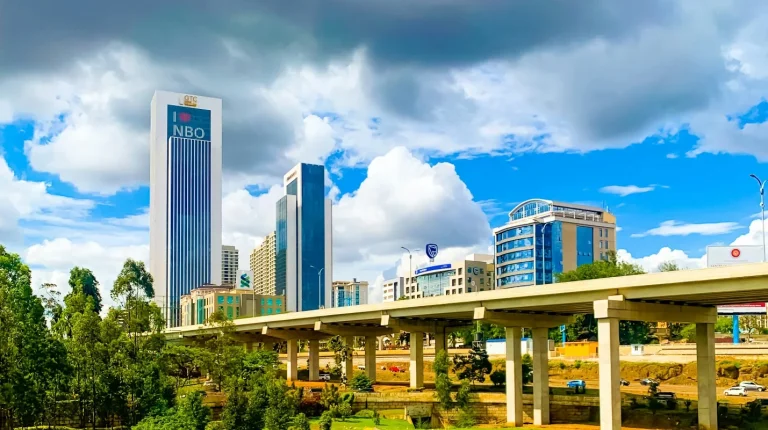
Nairobi is Kenya’s capital and largest city, known as the “Green City in the Sun” and the “Safari Capital of Africa”. Its name comes from the Maasai phrase Enkare Nyrobi, meaning “cool water”.
The city sits on a high plateau in south-central Kenya at about 1,795 metres (5,889 feet), so it enjoys a mild highland climate rather than equatorial heat. It is a regional hub for international bodies, including the UN Environment Programme (UNEP) and UN-Habitat, and is home to the United Nations headquarters in Africa.
Wildlife, history, culture & architecture
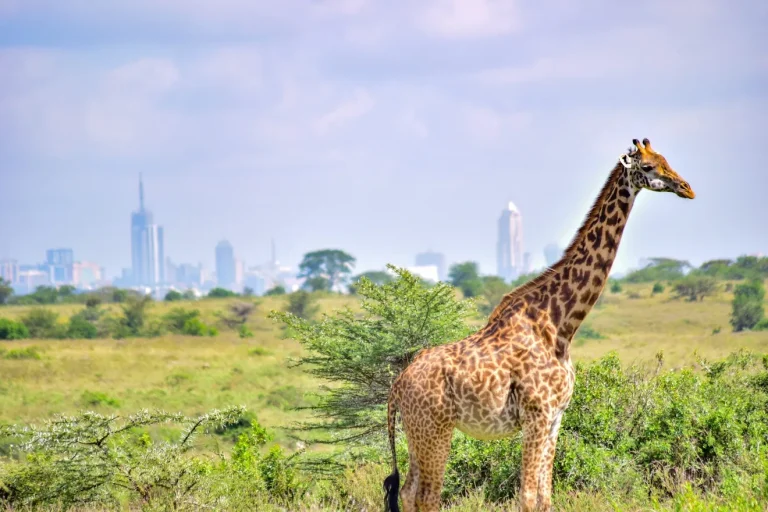
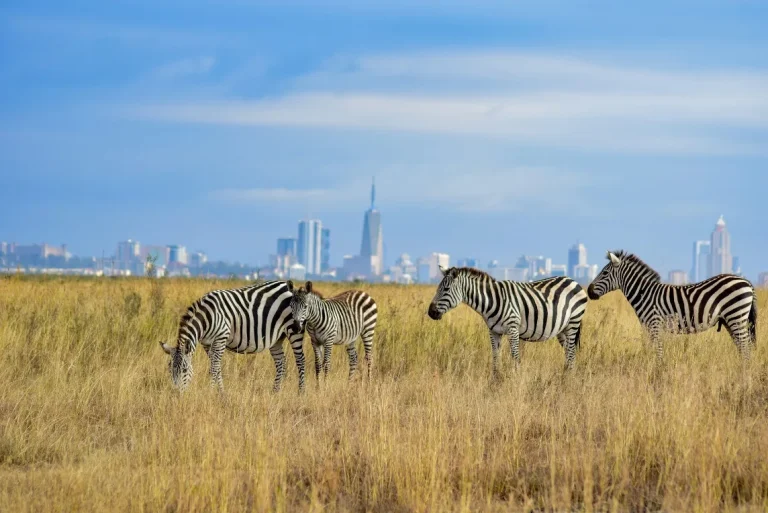
Nairobi National Park. The only national park in the world right next to a capital city skyline, less than 30 minutes from the city centre. Big cats, rhinos and many grazers roam and hunt freely against a backdrop of skyscrapers. There are no elephants in the park, but you can see orphaned ones at the nearby Sheldrick Wildlife Trust.
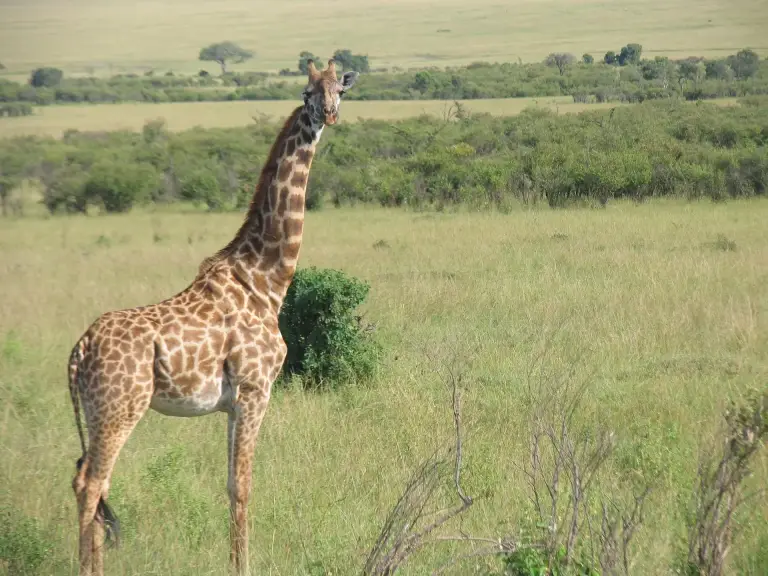
Giraffe Centre. A sanctuary in the suburb of Lang’ata that protects the endangered Rothschild’s giraffe. You can hand-feed the giraffes from a raised wooden platform.
Sheldrick Wildlife Trust Elephant Orphanage. Inside Nairobi National Park, the trust rescues and rehabilitates orphaned baby elephants and rhinos before returning them to the wild.
Karura Forest. A large urban forest about 6 km from the city centre, with walking and cycling trails, caves and waterfalls.
Nairobi Arboretum. A quiet, tree-filled park close to the city centre, ideal for gentle nature walks and birdwatching.
Nairobi National Museum. On Museum Hill (Kipande Road), with exhibits on Kenyan history, palaeontology, cultural artefacts and local art, plus an attached Snake Park.
Karen Blixen Museum. The colonial-era home of Out of Africa author Karen Blixen, at the foot of the Ngong Hills.
Kenyatta International Conference Centre (KICC). A city-centre landmark whose rooftop tower and helipad give 360-degree views across Nairobi.
Bomas of Kenya. A cultural village with traditional homesteads from many Kenyan communities, plus live traditional music and acrobatic dance performances.
Kenya National Archives. On Moi Avenue in the city centre, showing historical documents, regional photography and African art collections.
Shopping & local markets
Maasai Market. An open-air craft market that moves around the city on different days of the week, at spots such as Village Market, Capital Centre and the Supreme Court. Artisans sell handmade beadwork, wood carvings, clothes and paintings.
City Market. A historic indoor market from 1932, packed with local crafts, souvenirs, fresh produce, poultry and meat stalls.
Kazuri Beads Women’s Cooperative. A social enterprise in Karen where local women handcraft ceramic beads and pottery.
Lake Nakuru National Park
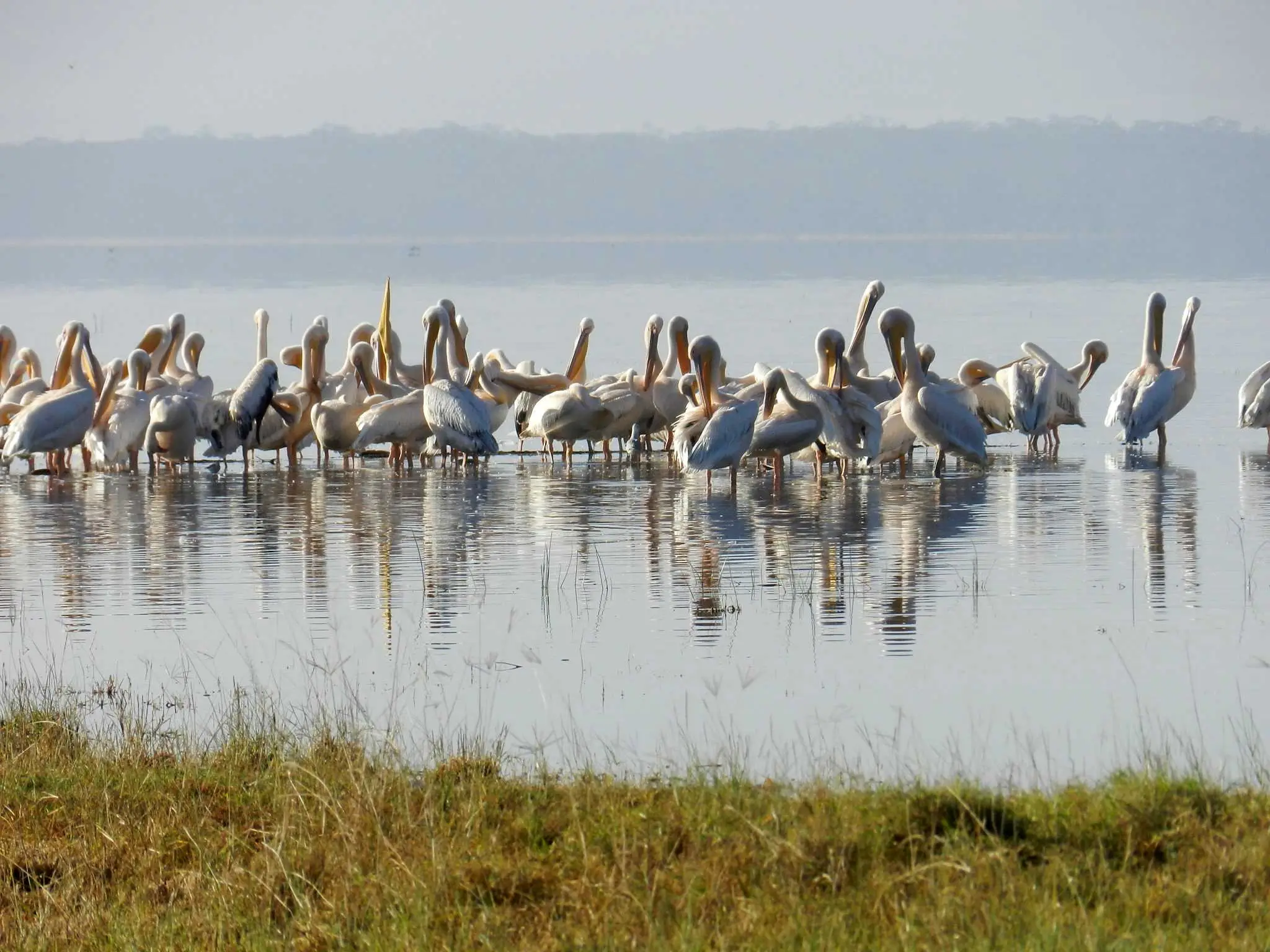
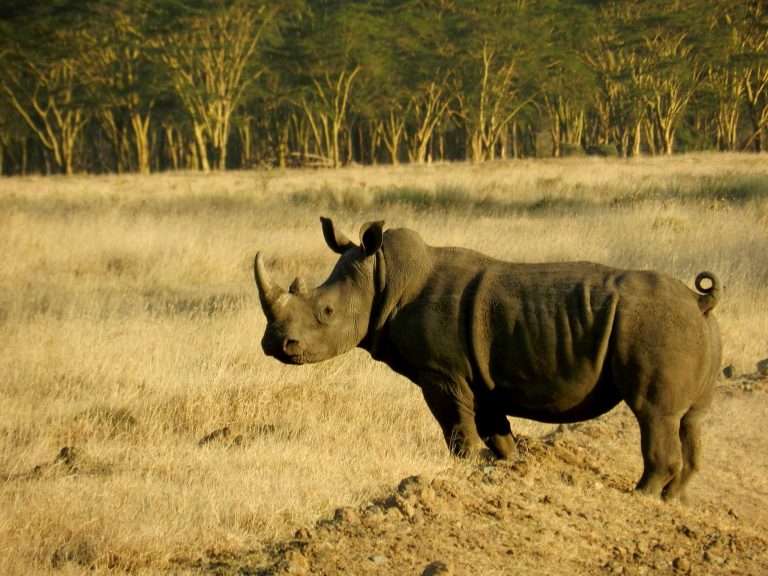
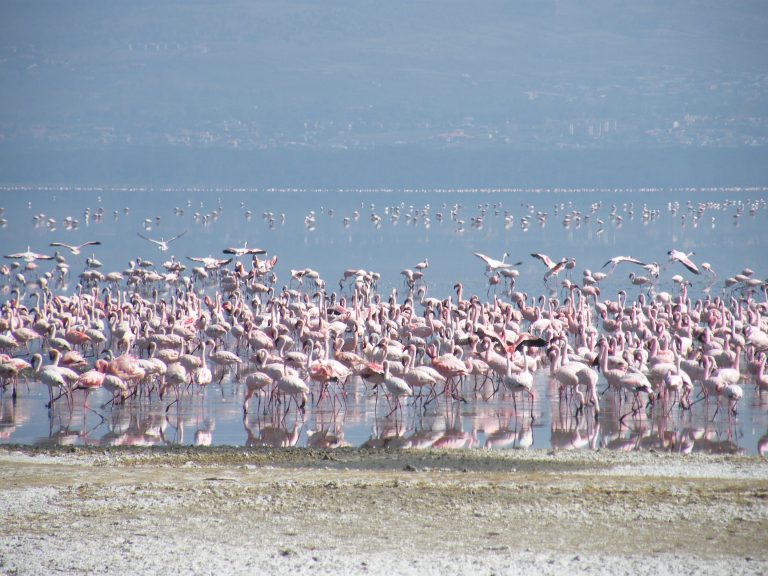
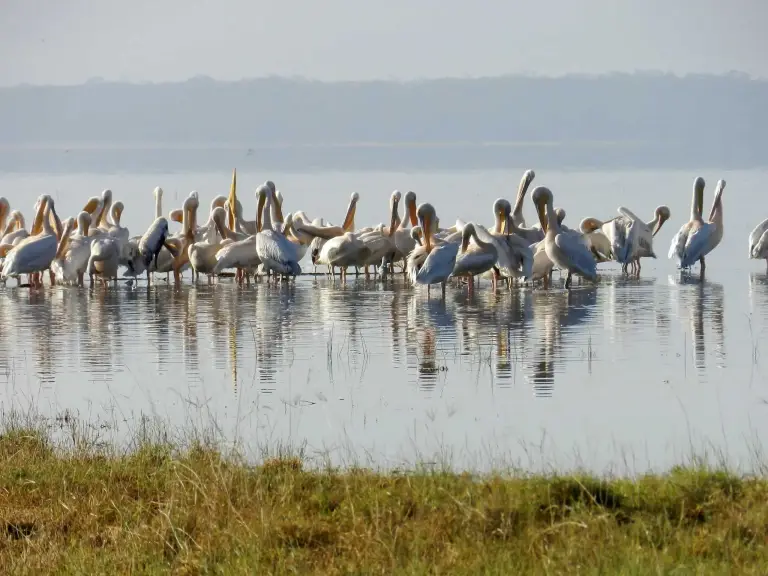
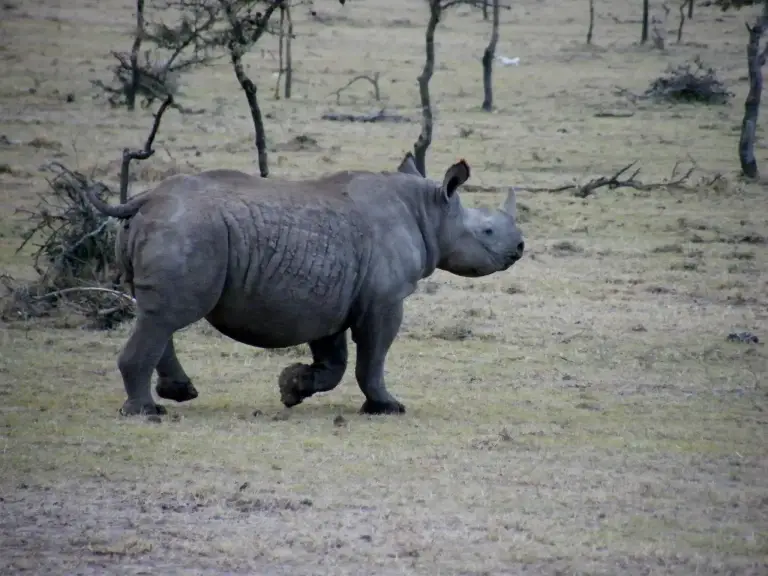
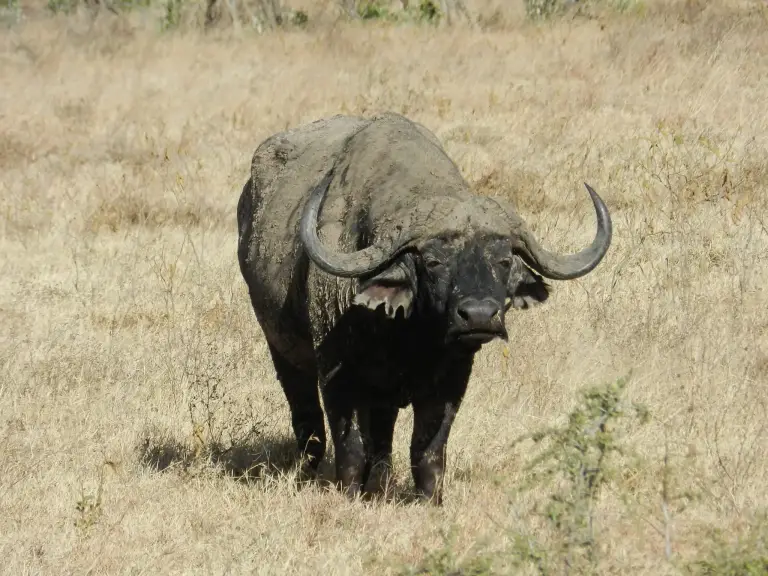
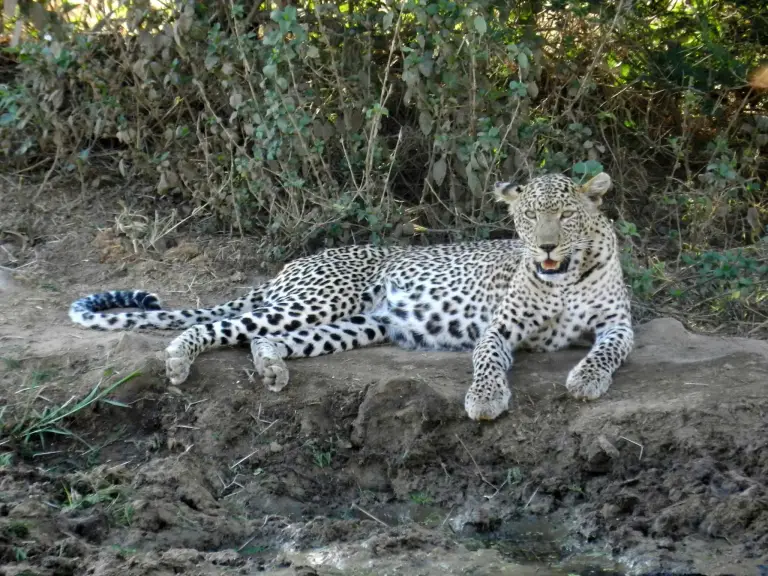
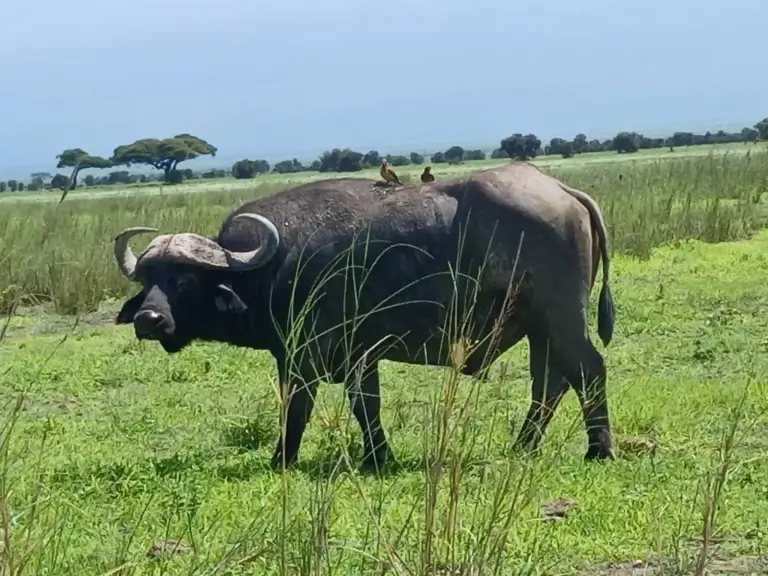
The lake is famous for its huge flocks of pink flamingos. Lions, leopards, warthogs, waterbucks, pythons, and white rhinos are just some of the animals you might see, and the landscapes range from sweeping grasslands bordering the lake to rocky cliffs and woodland.
Masai Mara National Reserve
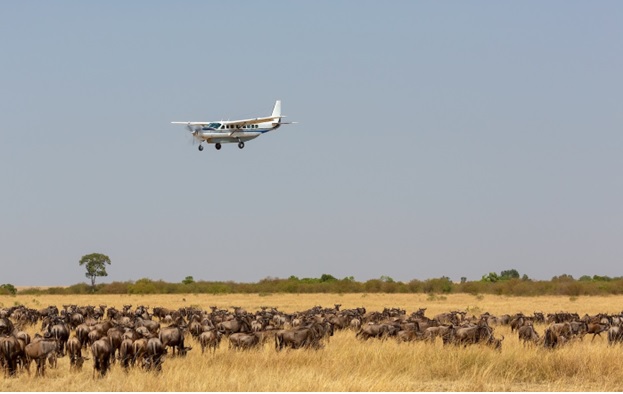
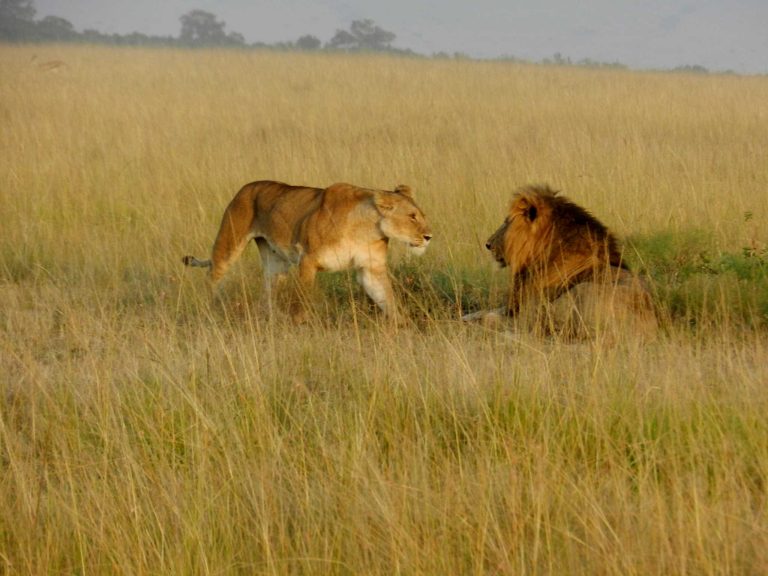
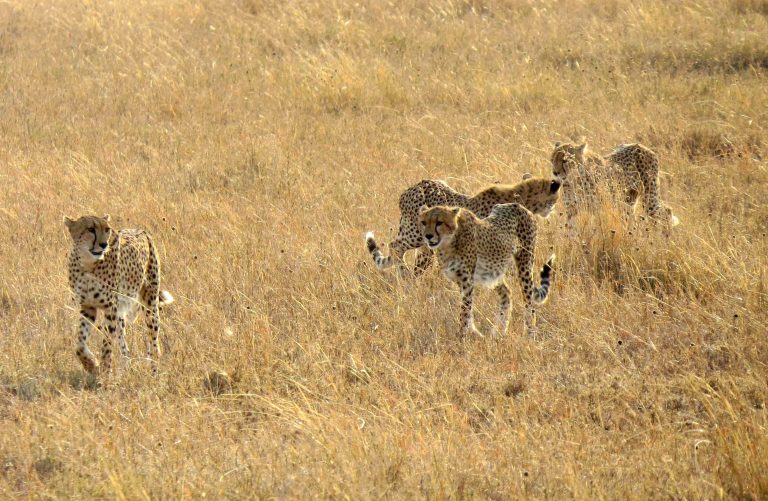
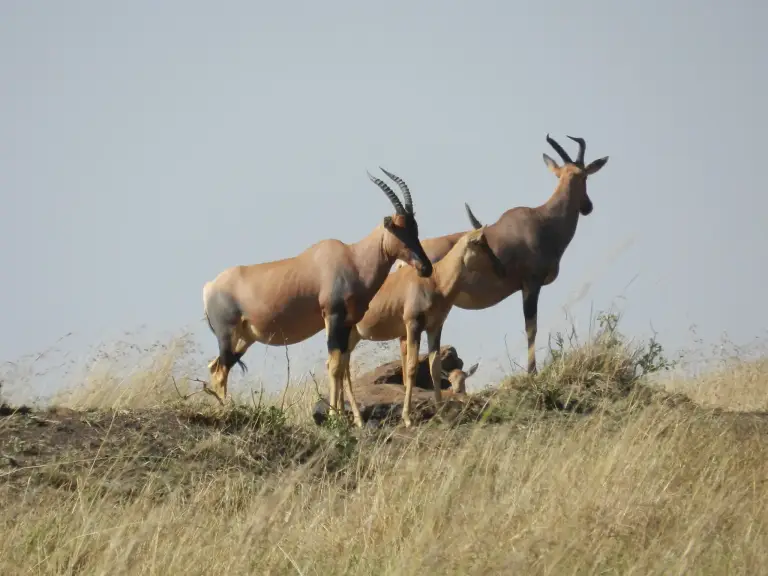
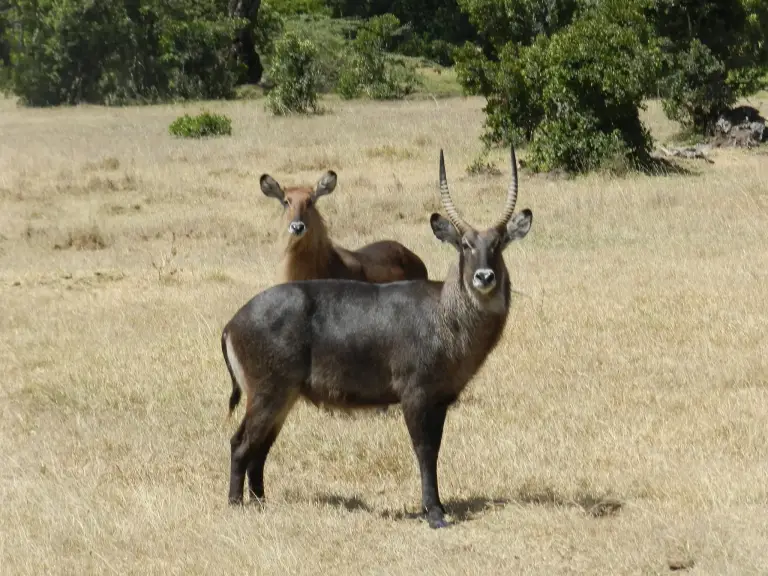
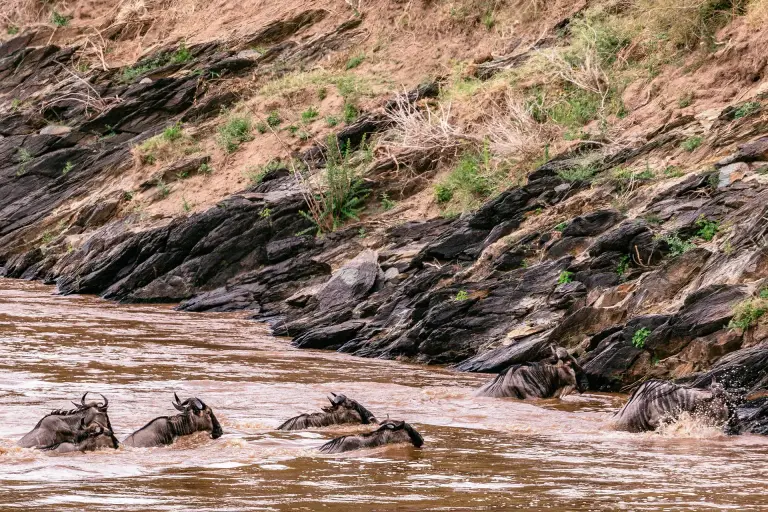
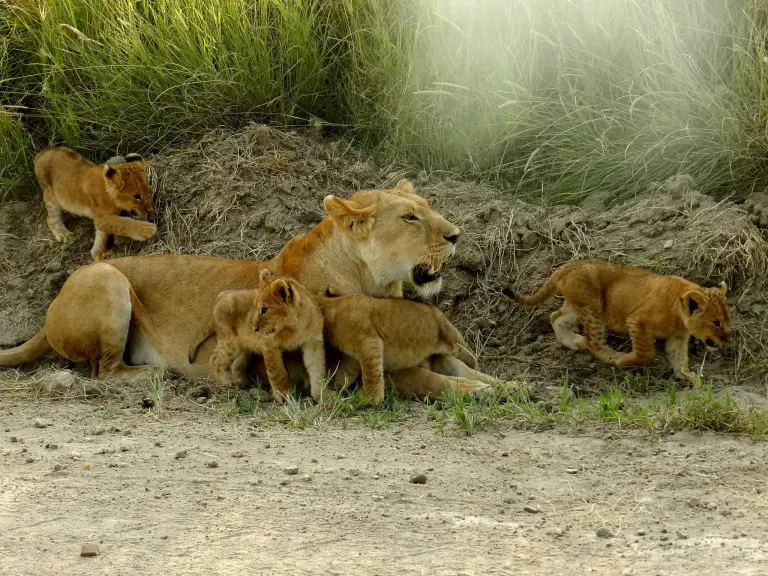
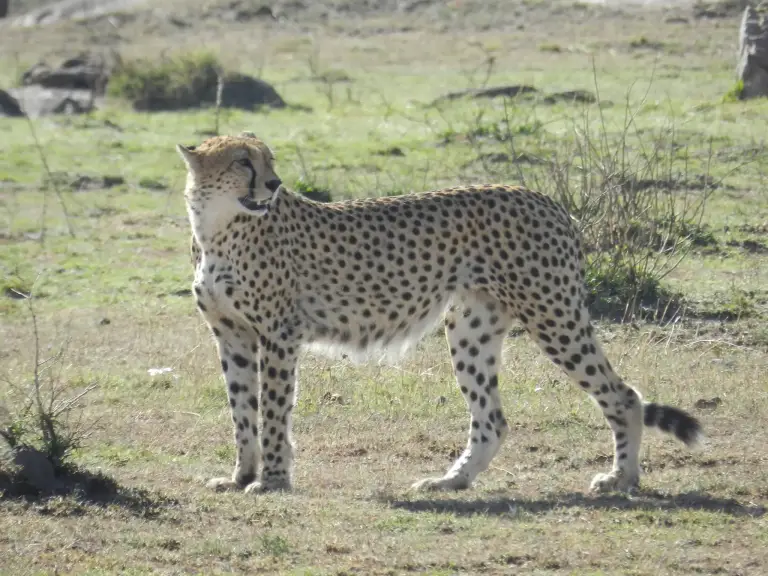
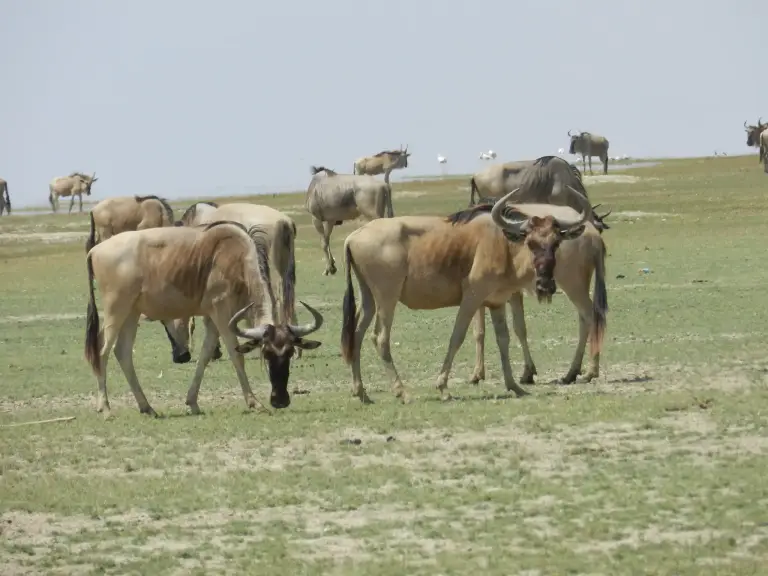
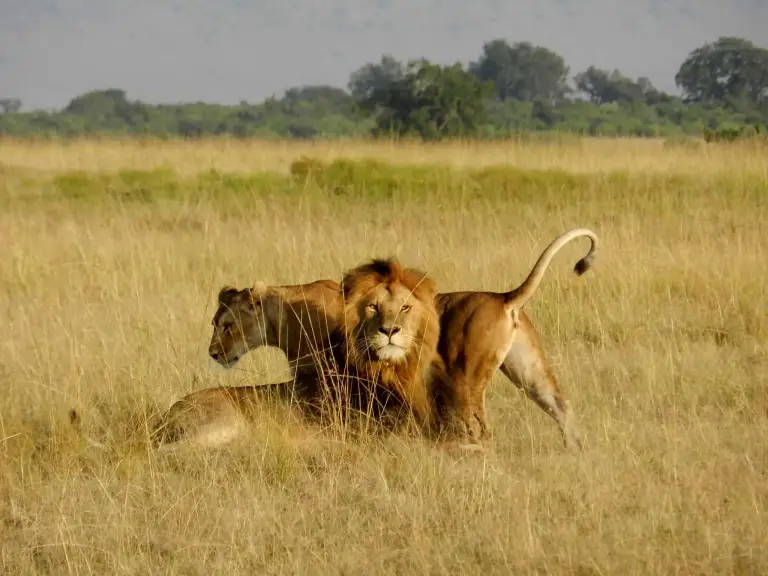
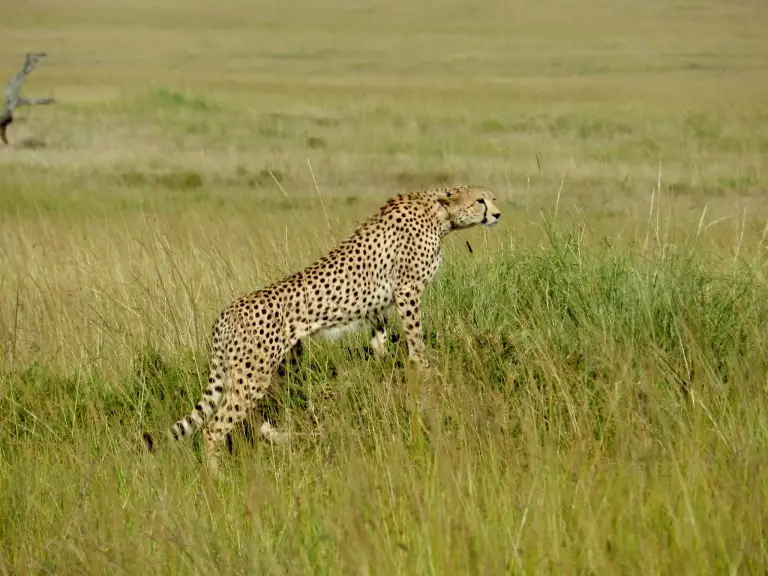
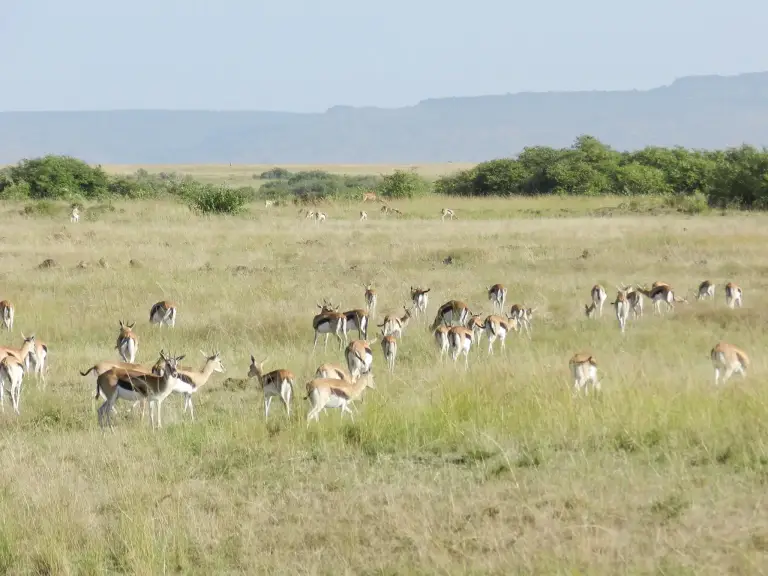
Masai Mara is one of Africa's most magnificent game reserves.The park is famous for the Great Migration, when thousands of wildebeest, zebra, and Thomson's gazelle travel to and from the Serengeti.Masai Mara is known for providing excellent predator sightings, thanks to its relatively large populations of lion, cheetah, and leopard.A visit to Masai Mara is a must inclusion to all Kenya Safari Holidays
Amboseli National Park
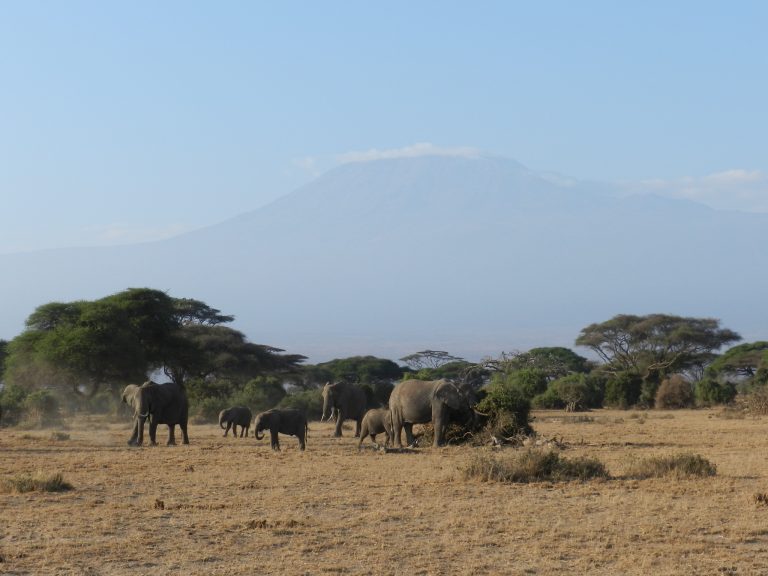
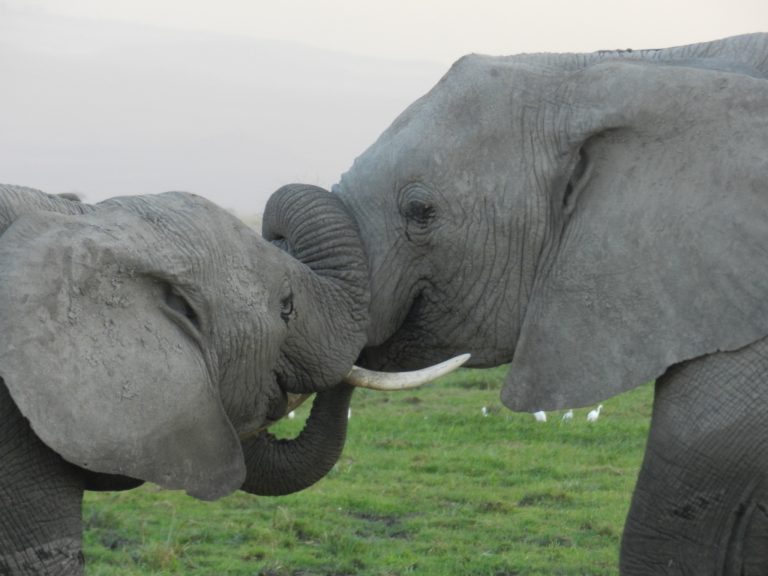
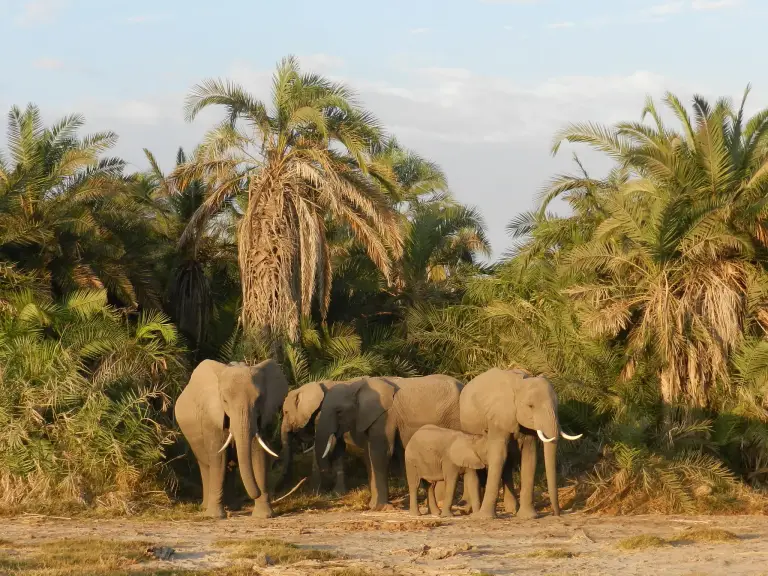
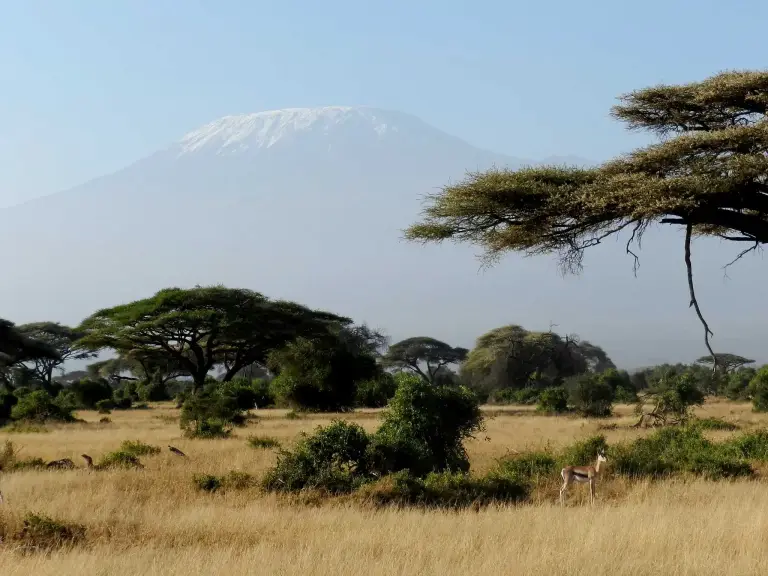
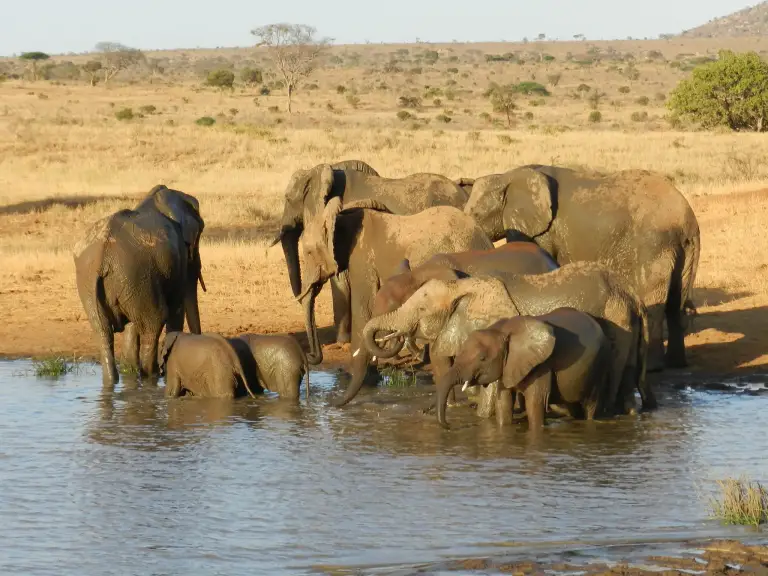
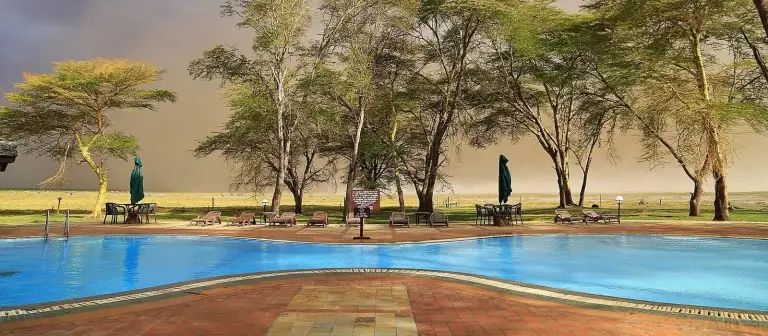
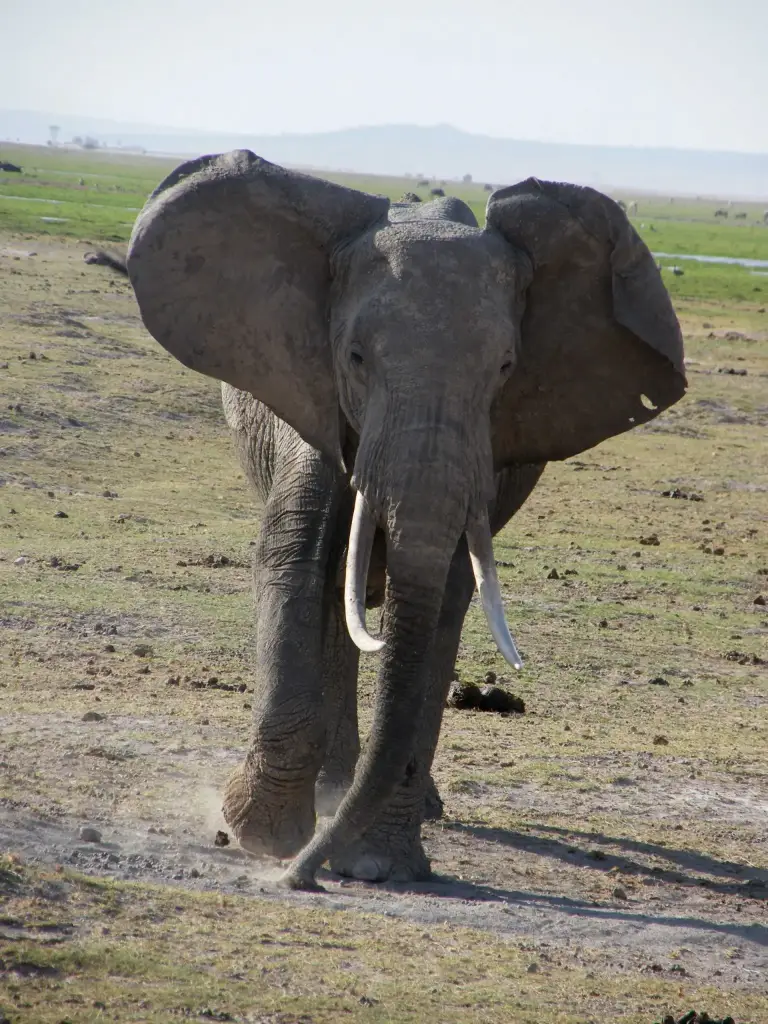
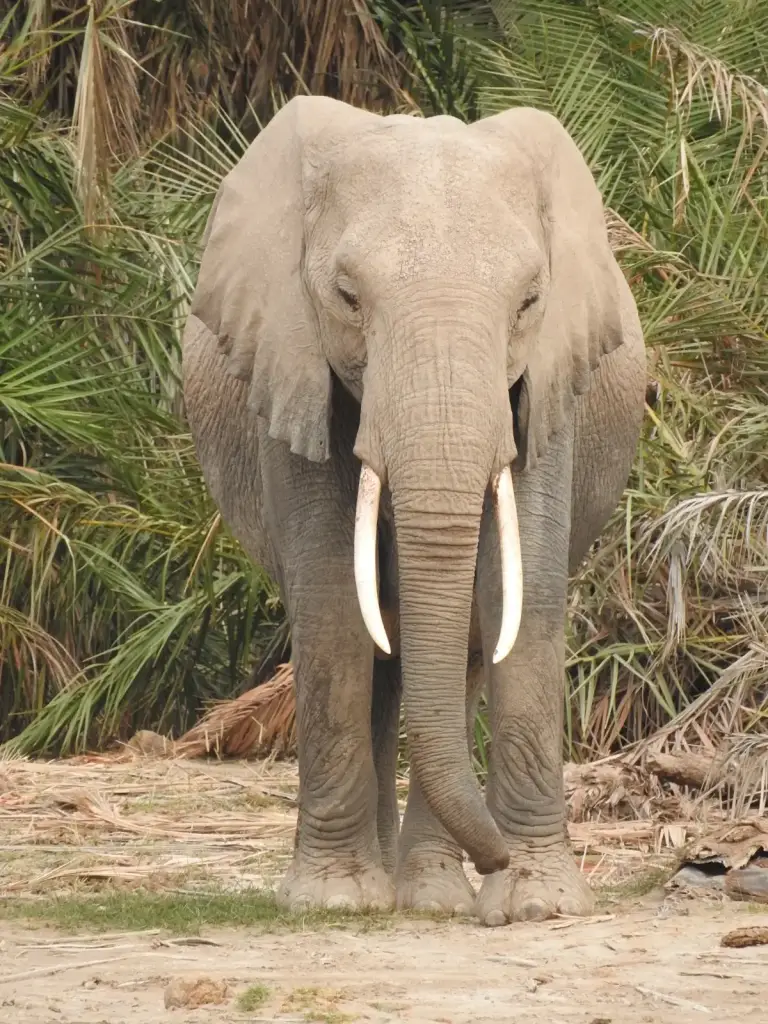
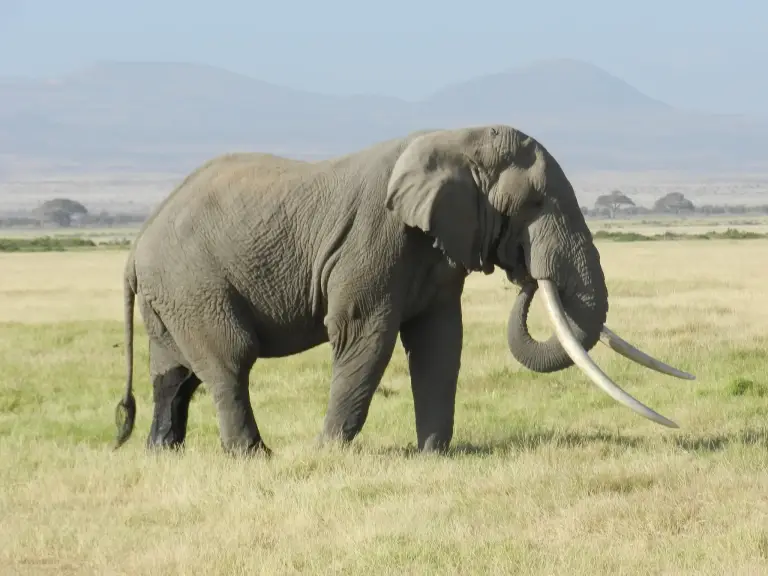
Crowned by Mount Kilimanjaro, Africa's highest peak, the park is one of Kenya's most popular with tourist. One of the best places in Africa to view large herds of elephants up close among other wildlife.
Tsavo National Park
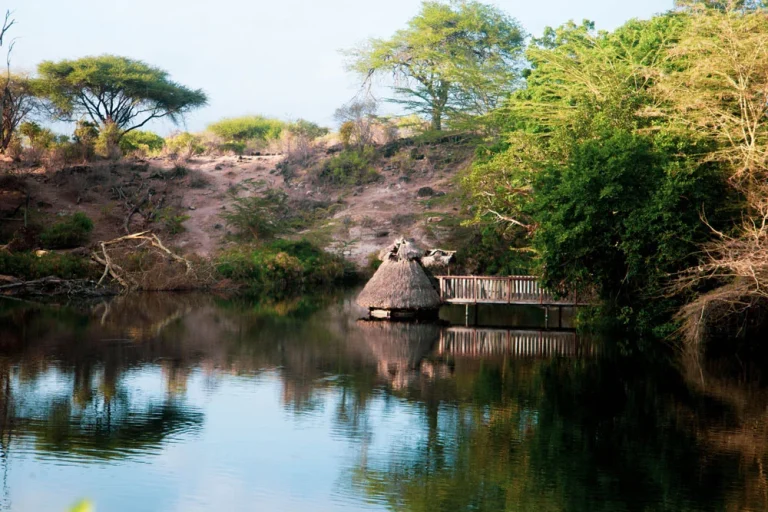
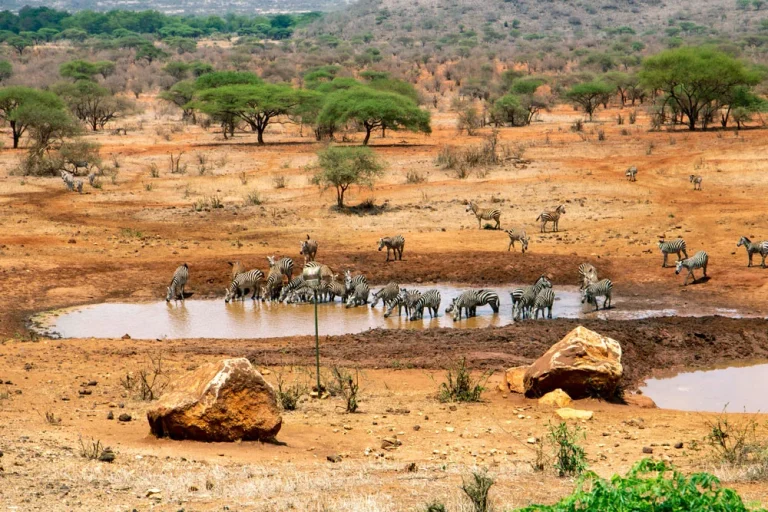
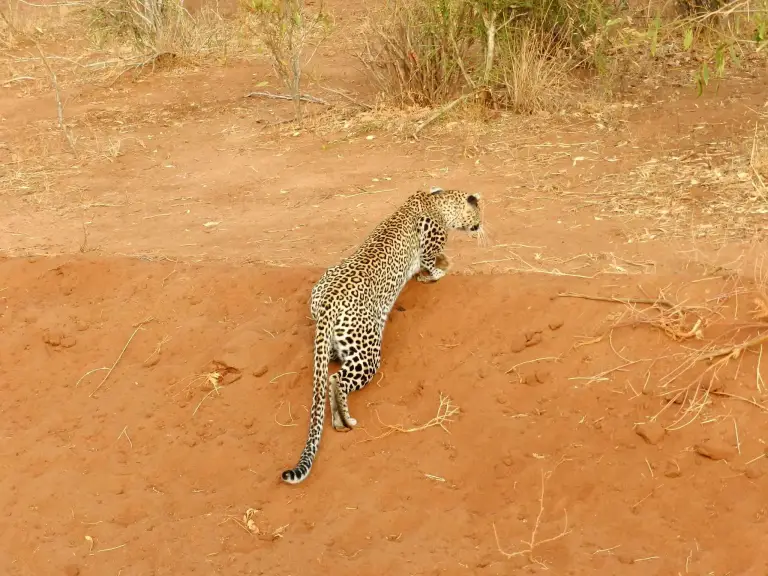
Kenya's largest park, Tsavo, is a combination of two: Tsavo West and Tsavo East. Together these parks comprise four percent of the country's total area and encompass rivers, waterfalls, savannah, volcanic hills, a massive lava-rock plateau, and an impressive diversity of wildlife.
Taita Hills Conservency
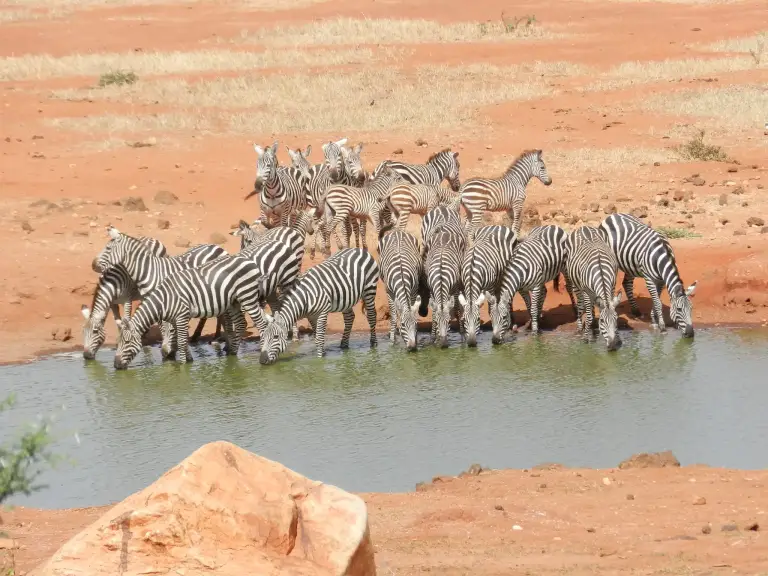
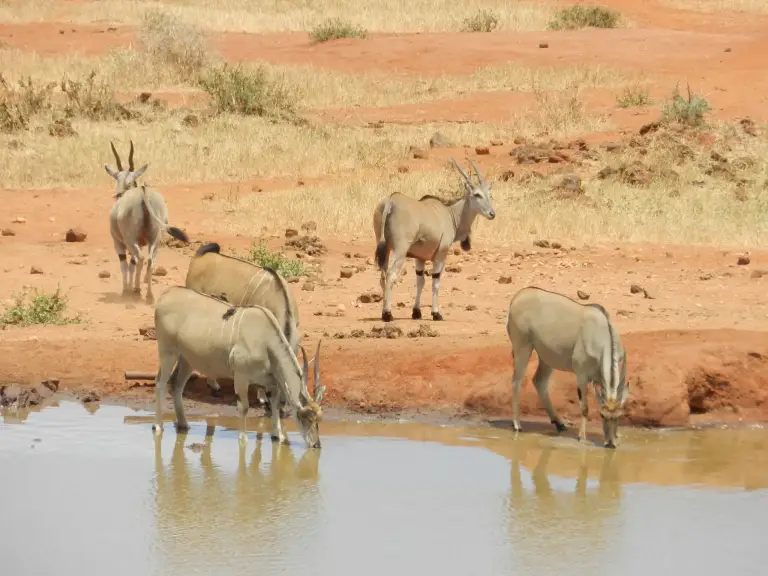
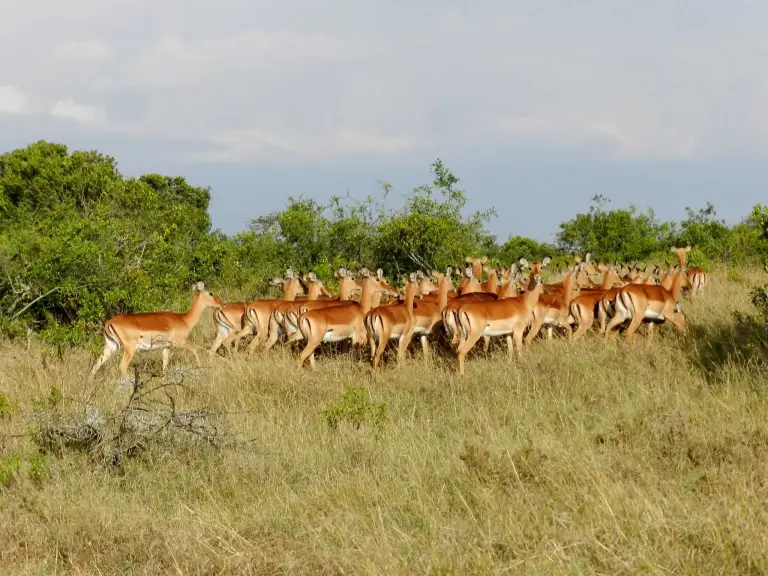
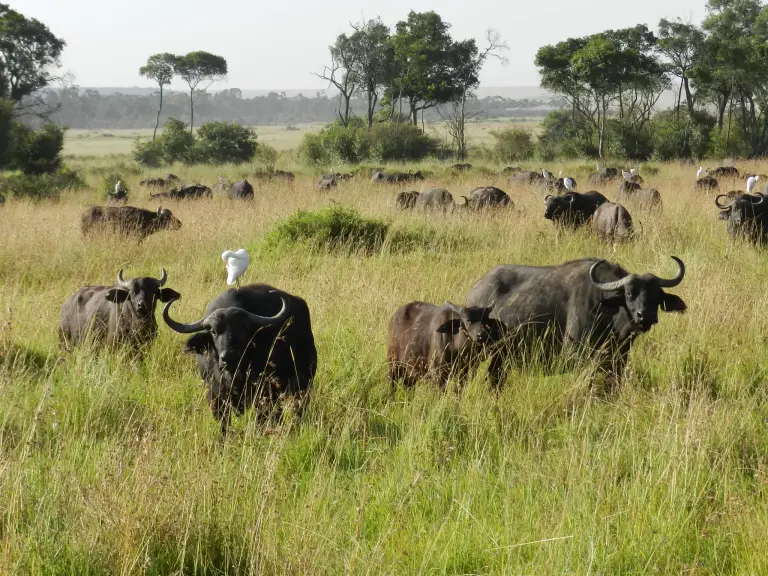
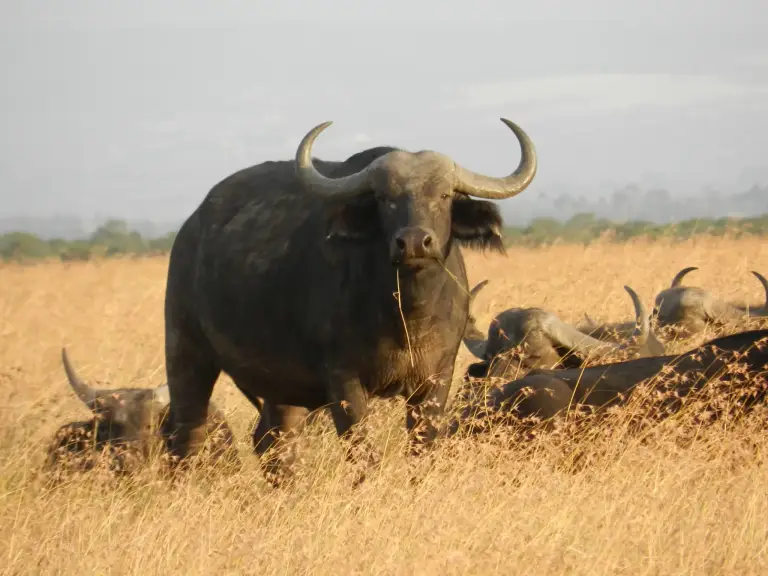
Situated on the main Voi to Taita road, south of the Taita Hills, the Taita Hills Conservancy creates a game corridor to Tsavo West National Park. Formerly a sisal plantation, it has been transformed into a 113 sq km reserve with some interesting grasslands and woodlands. The area now attracts a good quantity of zebra, buffalo, elephant, waterbuck, reedbuck, impala, eland, gazelle and much more. The bird-life is also excellent. The park is home to two lodges - Taita Hills Safari Lodge and the popular Salt Lick Lodge that is elevated on stilts to give a panoramic view of the conservancy and wildlife.
Mount Kenya National Park
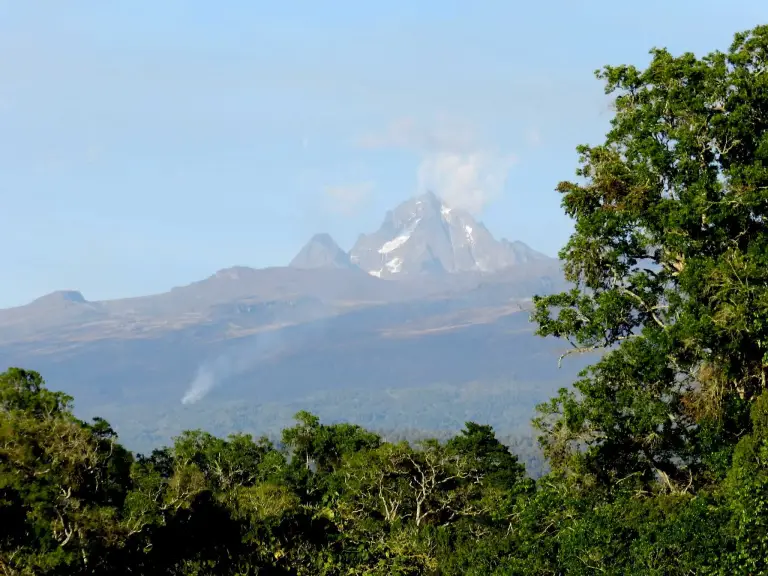
The park was created around Africa’s second-highest mountain. It straddles the equator and covers more than 715 sq km. Mount Kenya is seen as sacred by the Kikuyu people, as there is said to be a god who lives here.
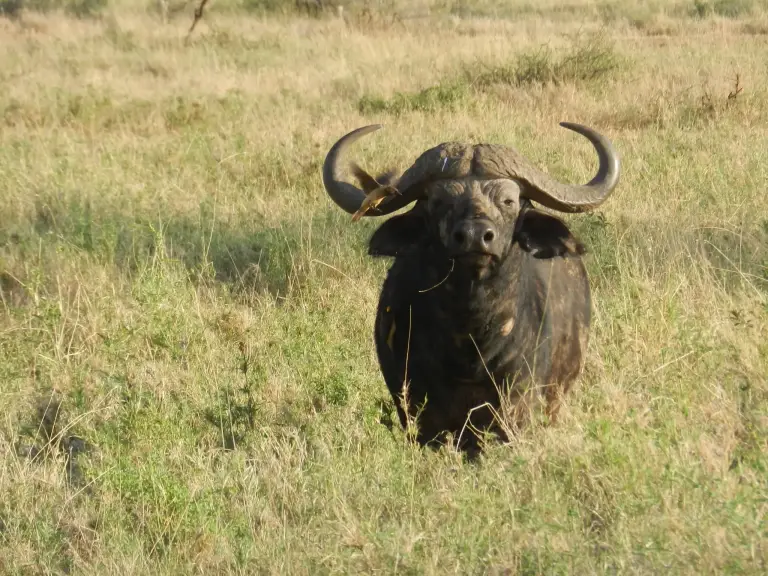
The mountain’s snow-capped peaks can be seen on clear days, but are often enclosed in low cloud cover. With altitudes ranging from 1,600m to 5,200m, there is a wide range of vegetation. It includes rich sub-alpine flora, low-lying forests and bamboo zones, as well as moorlands and tundra. Common species found are giant forest hog, tree hyrax, white-tailed mongoose, elephant, buffalo, suni, duiker, leopard, black rhino, bushbuck, bongo and a type of ‘golden cat’. Mountain buzzards, tinker birds and various louries are also fascinating spots.
Aberdere National Park
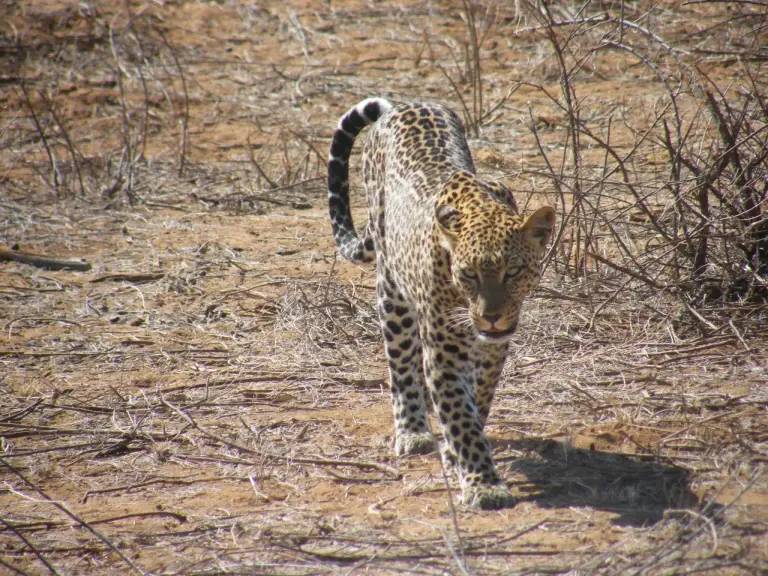
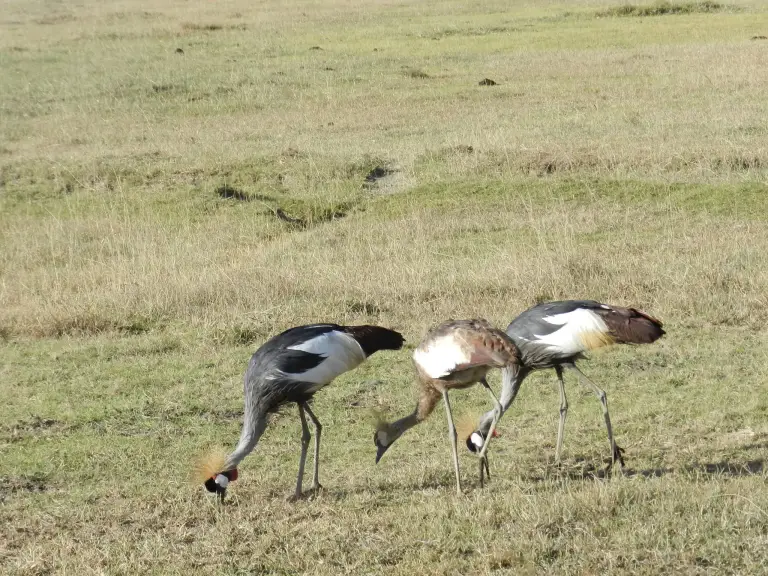
Slightly larger than Mount Kenya National Park, Aberdare National Park offers an eco-system that is fairly similar. Its mountain ranges climb to over 4,200m and consist mainly of tropical high-alpine vegetation, the park is about 766 sq km in size. In the lower-lying regions, you will find rain and bamboo forests, moorlands, waterfalls, rivers and dams filled with trout. The most common species include giant forest hog, black rhino, elephant, lion, leopard, serval cat and a variety of monkeys as well as spectacular birds.

Meru National Park
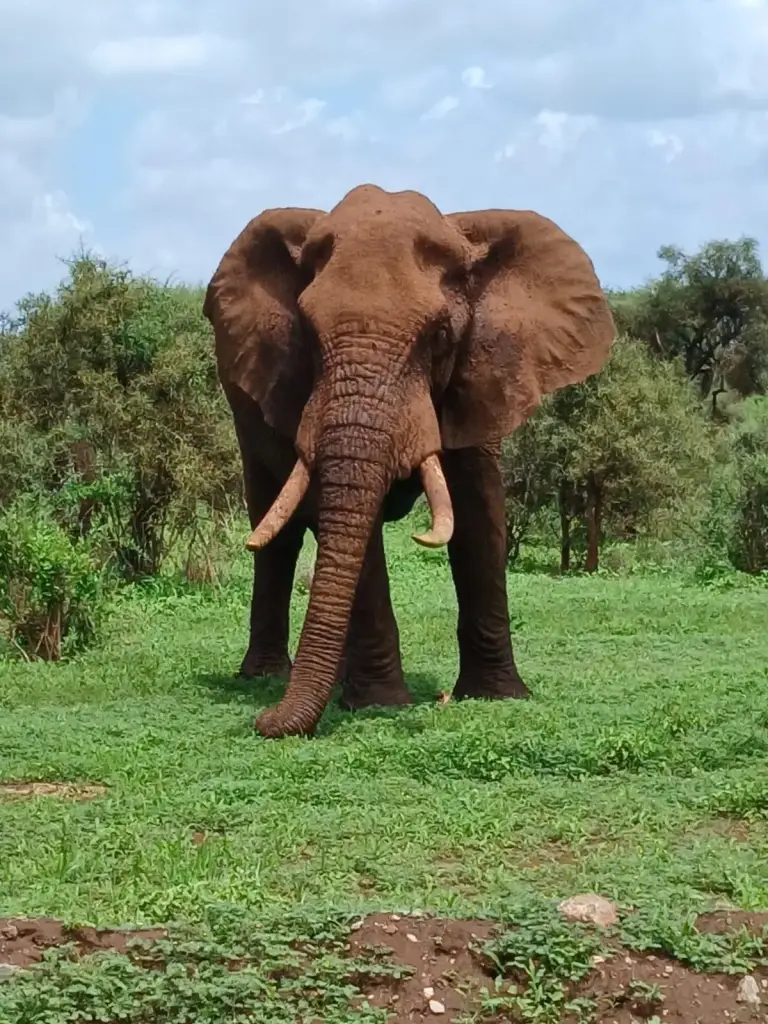
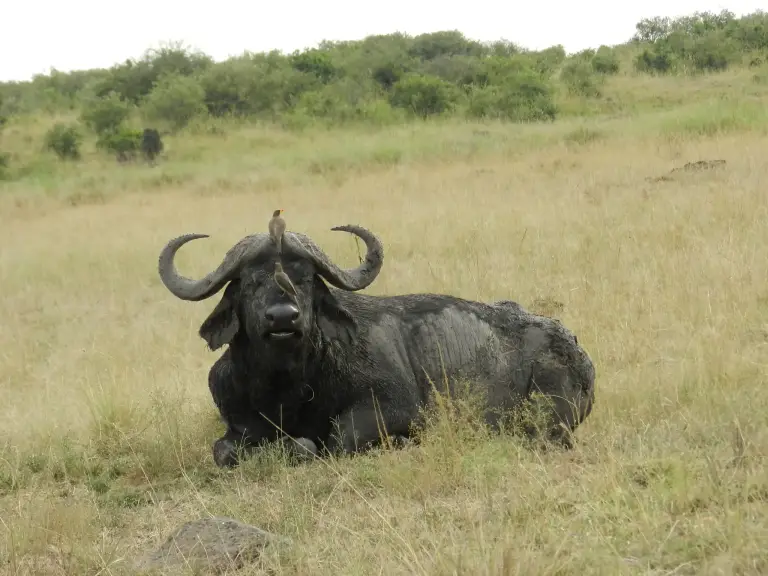
Of all the parks, Meru (1,813km sq) has the widest variety of landscape and habitats -forest, swamp savannah divided by many streams and rivers all rising in the foothills of Mt. Kenya and the Nyambene Hills, ending in the mighty Tana River forming a natural boundary to the South.
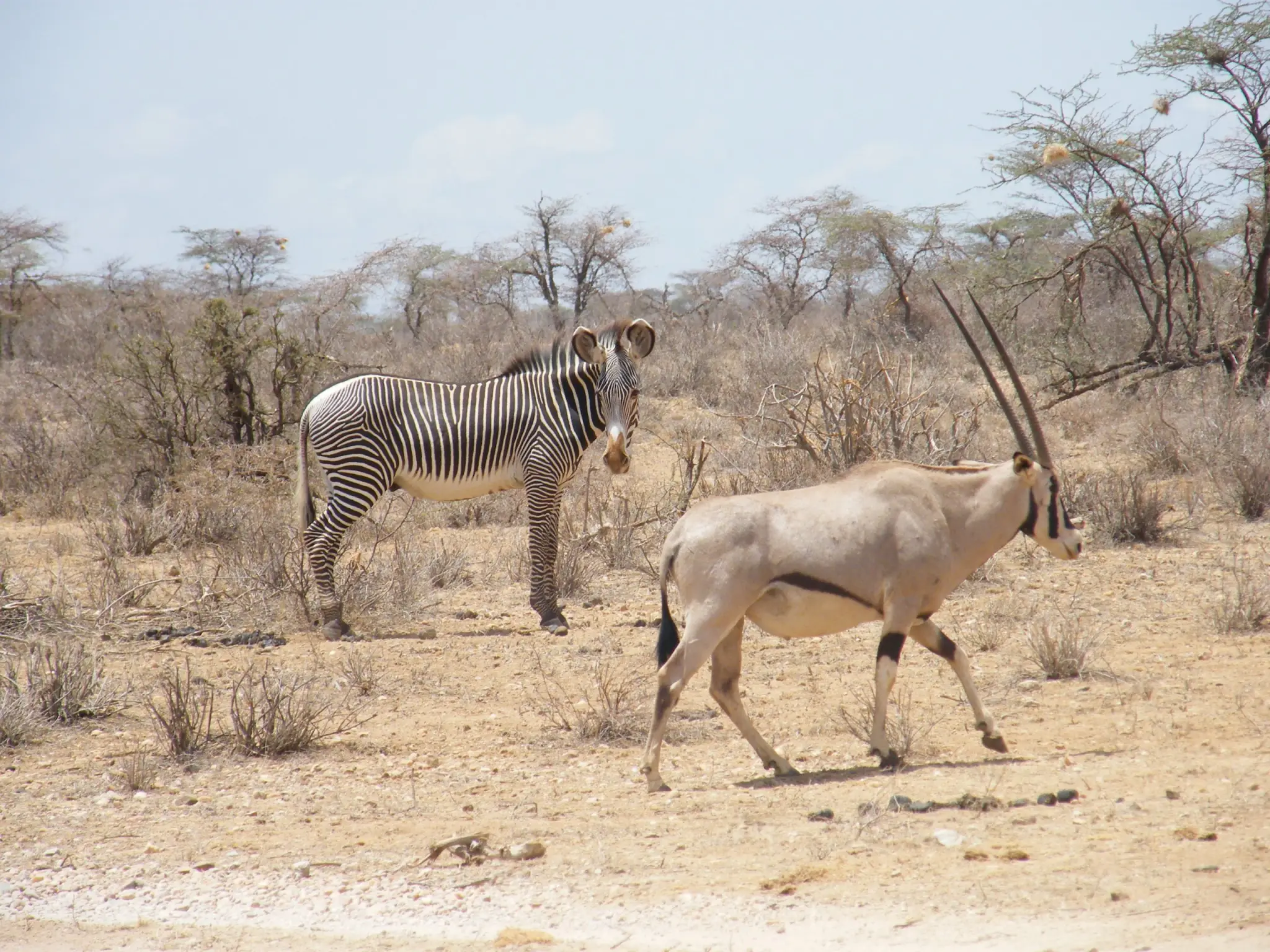
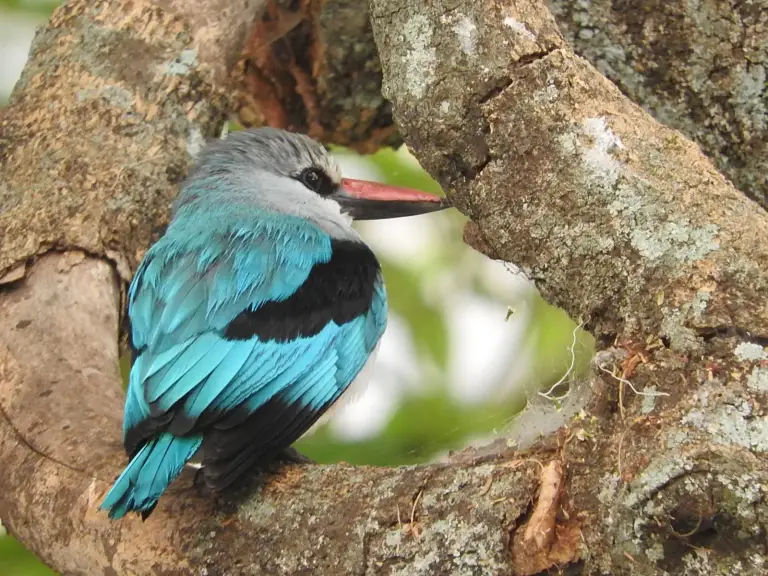
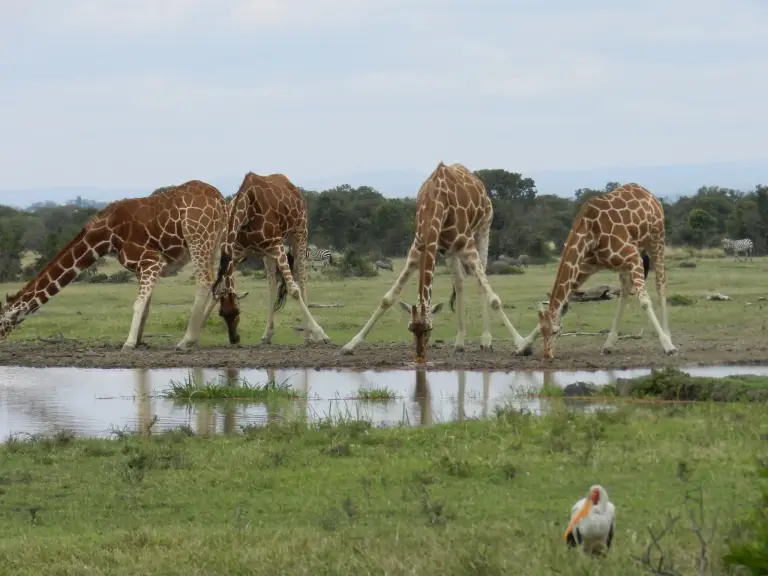
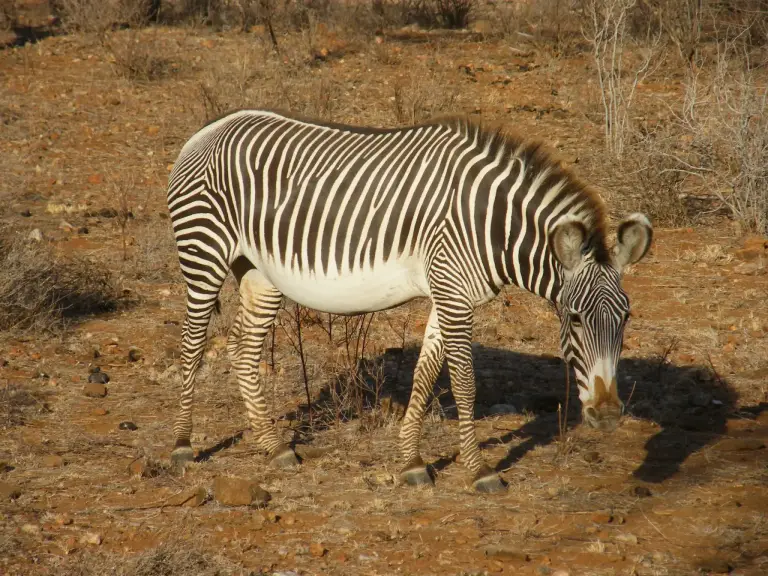
This was the wilderness into which George and Joy Adamson released Elsa the lioness, creating the much loved film ‘Born Free’. With herds of elephant, both species of Rhino and Northern species such as Grevy’s Zebra, Oryx & Reticulated Giraffe, one can observe these rare mammals without being disturbed by another soul. The riverside forests are a birders’ paradise providing refuge for many rare localized species.
Olpejeta Wildlife Conservancy
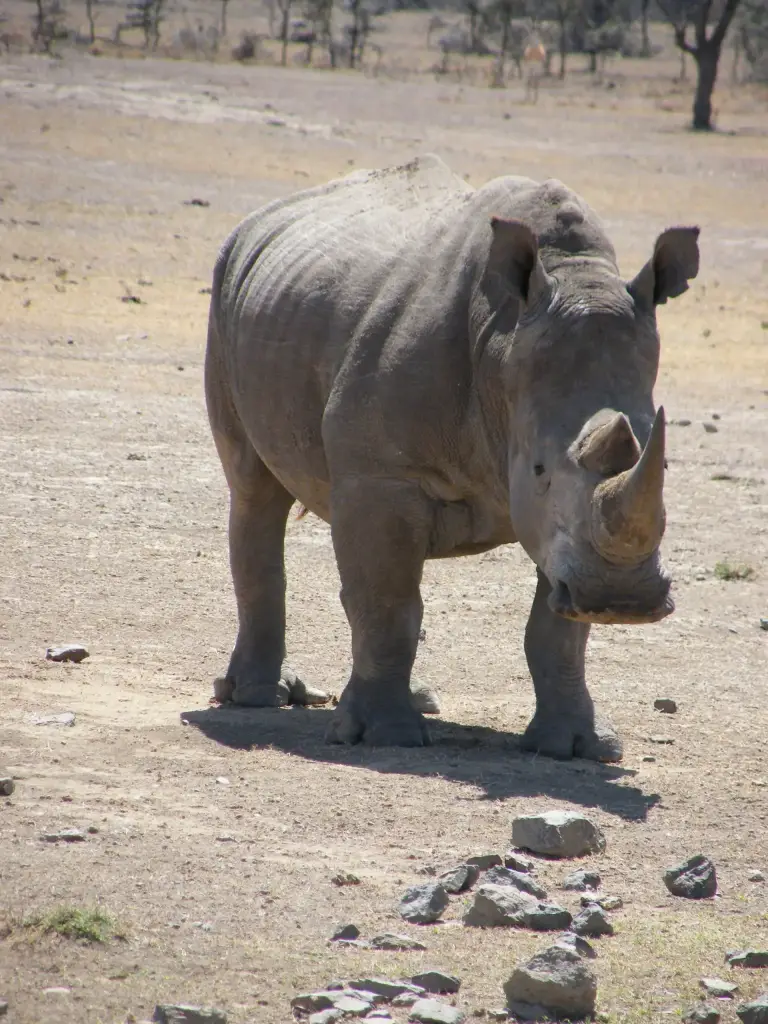
Located near Mount Kenya National Park, Ol Pejeta Conservancy is a prime place for close-up wildlife encounters.Home to the Big Fiveas well as a host of other animals, all set against the breathtaking backdrop of snowcapped Mount Kenya.
Laikipia
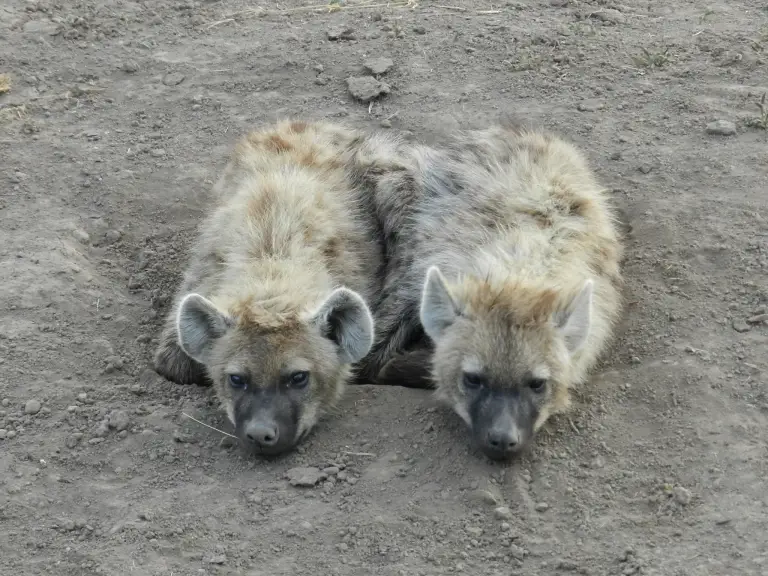
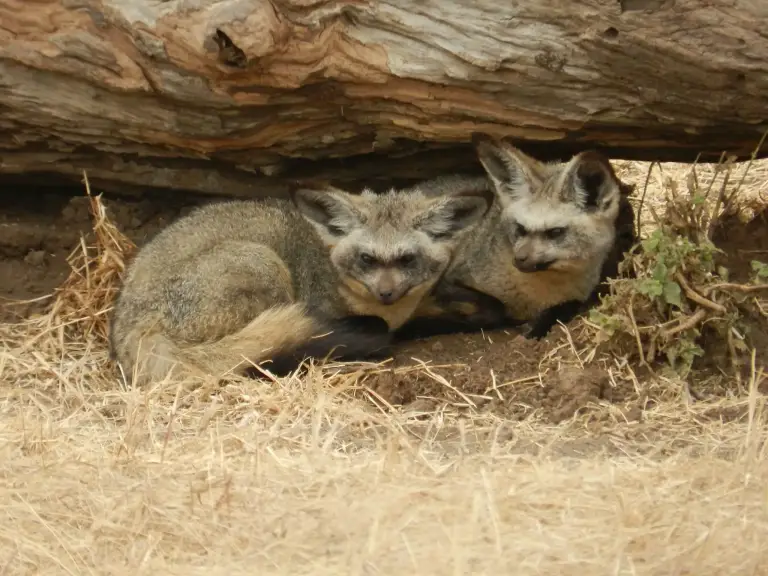
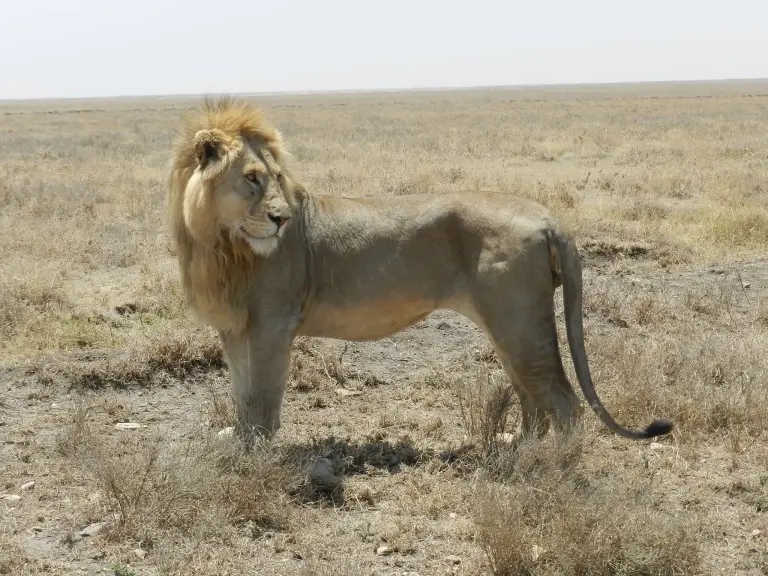
Located on the equator, Laikipia County is found in the Great Rift Valley and is among the smallest in Kenya with an area of 9,462 square kilometers. Laikipia which means treeless plain in the Maasai language is a vast plain where different kinds of wildlife, including the big five roam freely on the range lands of Laikipia.
Loisaba
Loisaba is a 57,000-acre wildlife conservancy located in Laikipia, Northern Kenya. With abundant wildlife, exquisite accommodation and adventurous activities.
Solio
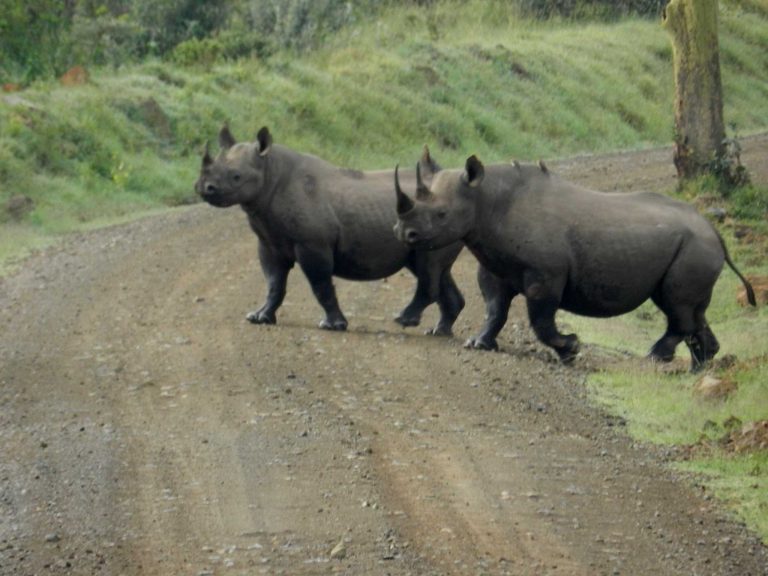
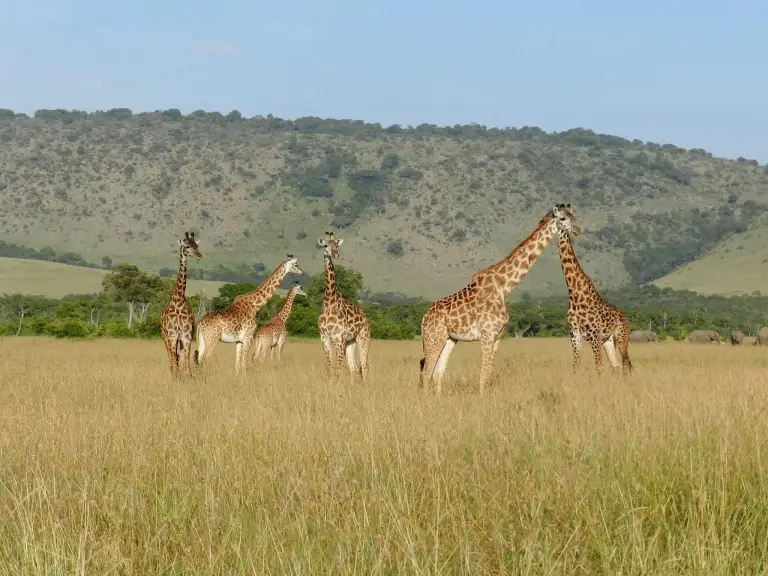
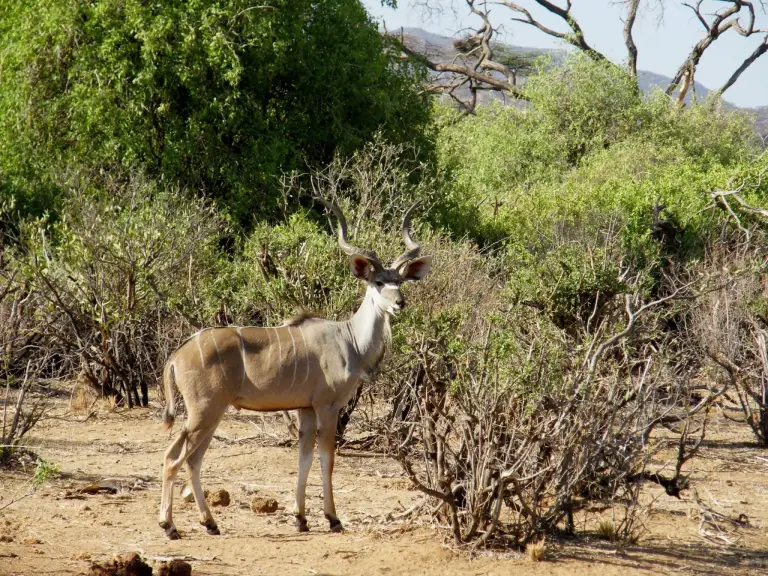
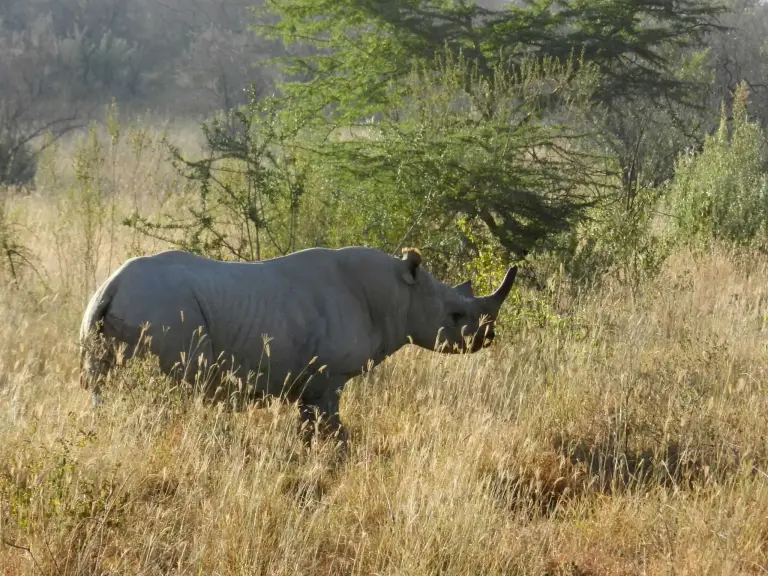
A privately owned wildlife conservancy geared towards Rhino conservation. The reserve plays a major part in the protection and breeding black rhinos in Kenya. The animals live in harmony with other wildlife, including buffalo, zebra, giraffe and other plains game.
Samburu, Shaba & Buffalo Springs National Reserves
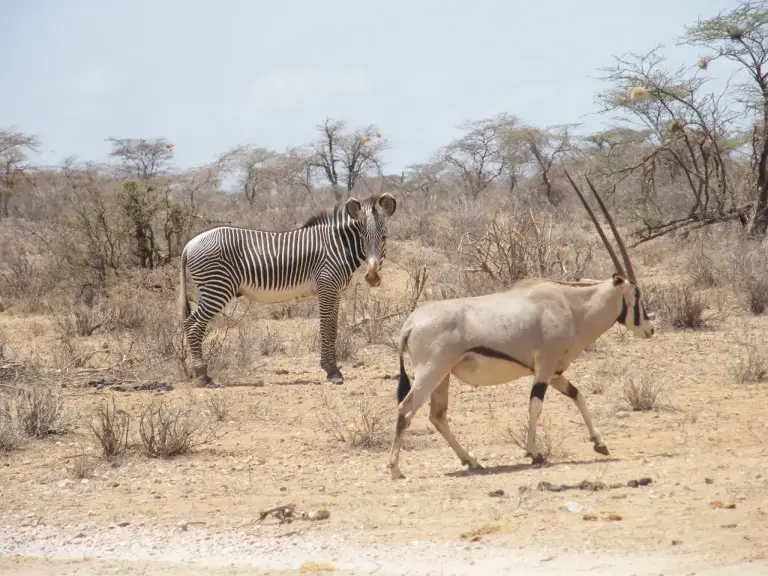
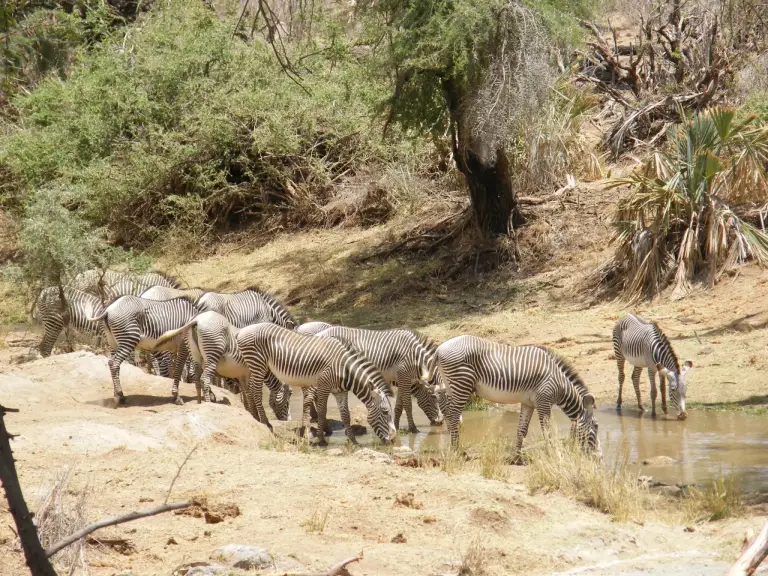
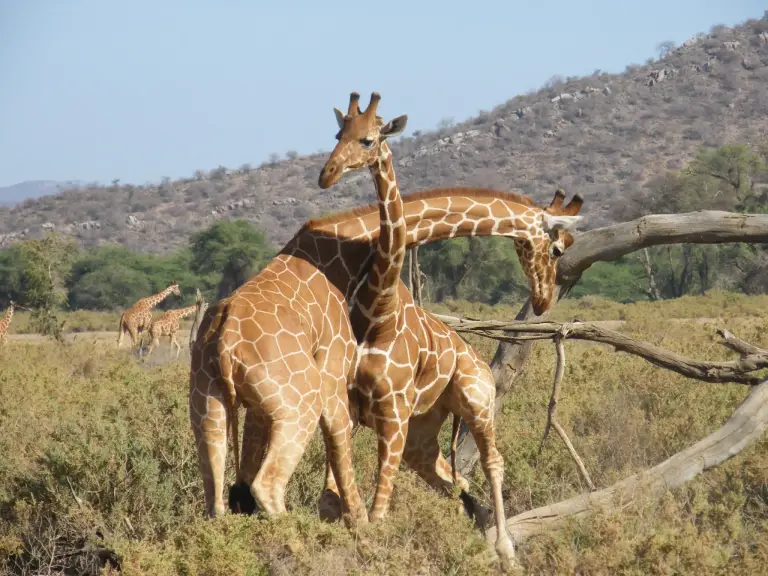
A world apart from the lush green parks of the south, this fascinating semi-desert Northern frontier district of Kenya has its own unique species not found in the less arid areas of the south.
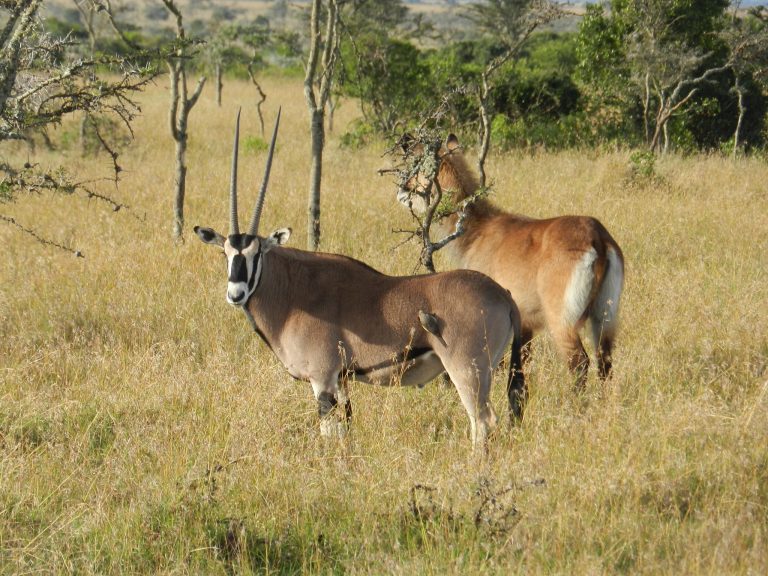
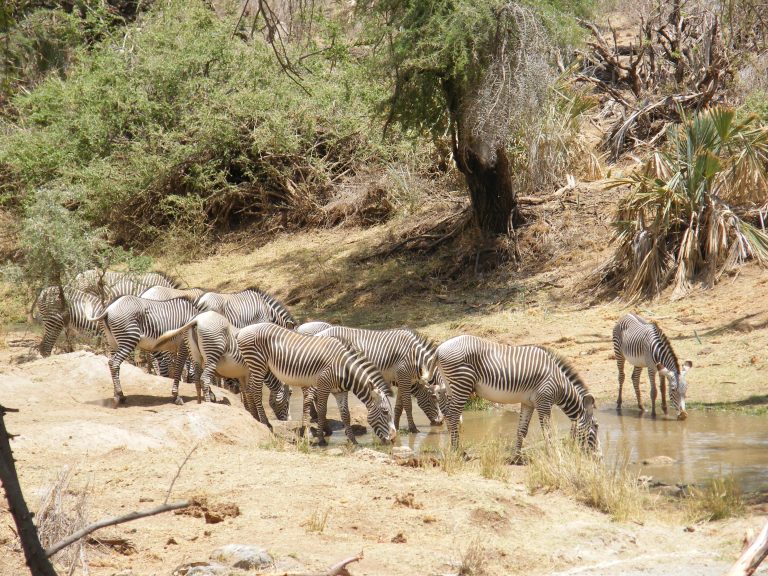
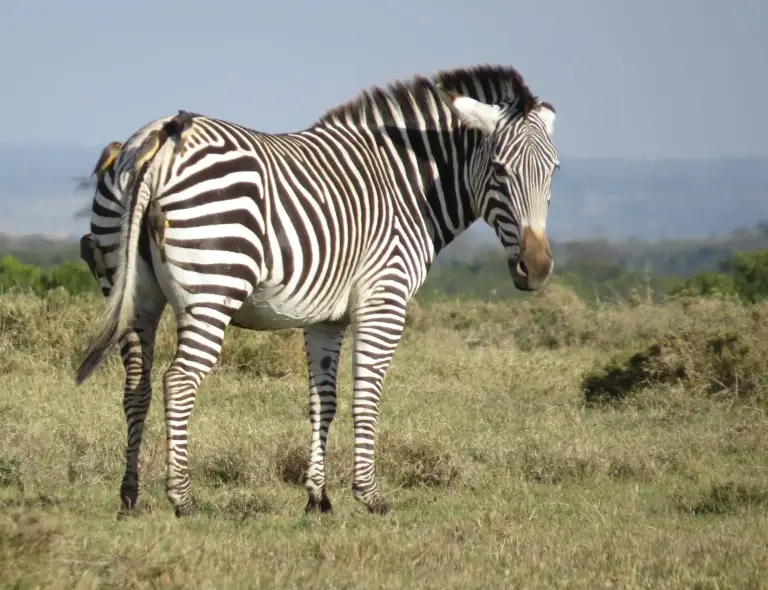
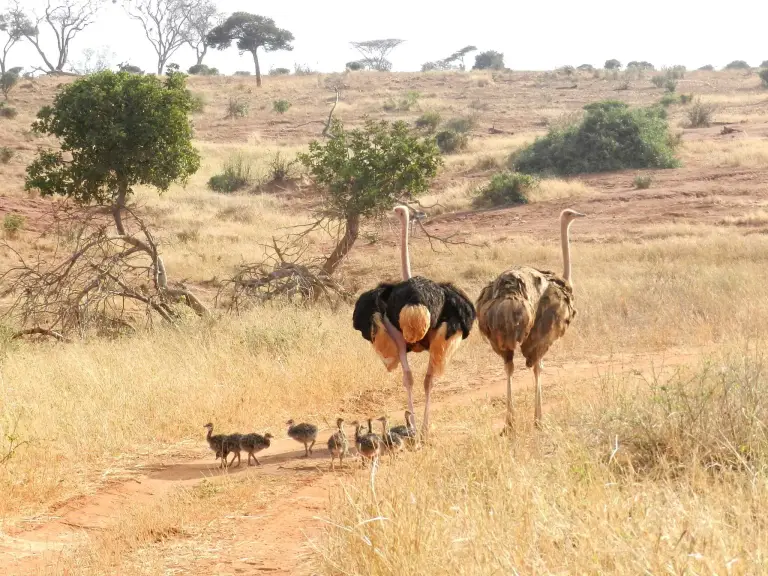
The tranquil Ewaso Nyiro River flowing through these parks provides an ideal habitant for crocodiles, large herds of elephants, elusive leopards and endemic species including Grevy’s Zebra, Gerenuk, Reticulated Giraffe, Beisa Oryx and Somali Ostrich. This Northern rugged area is a set against a background of jagged purple mountains providing some of the best game viewing in the country.
The Kenyan Coast
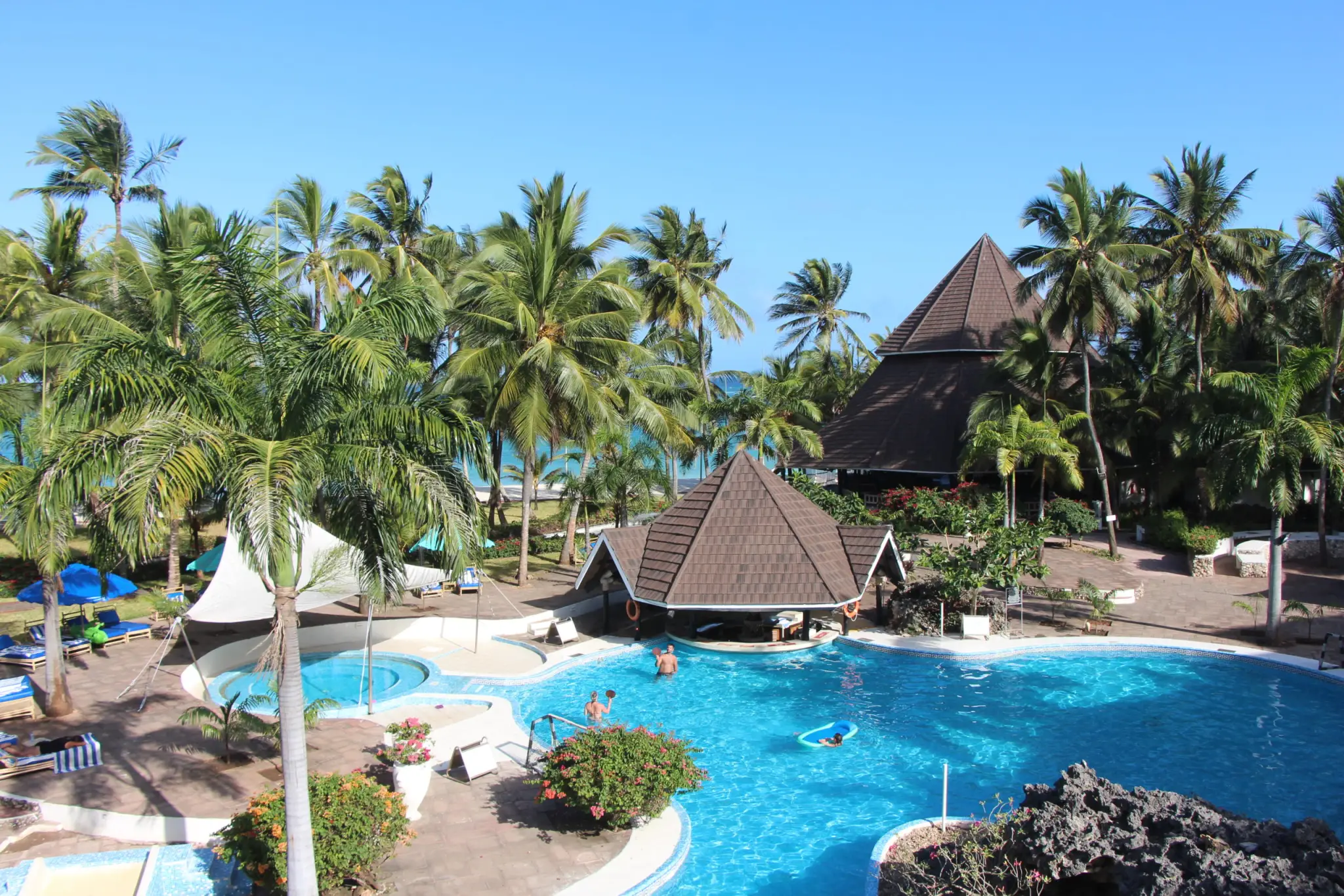
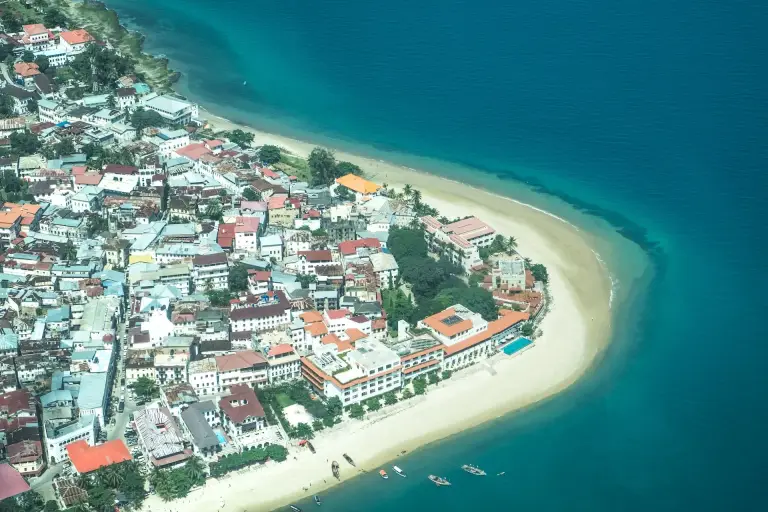
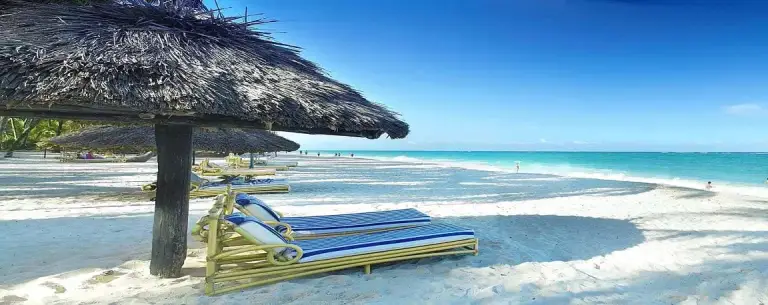
Kenya offers 536 kilometers of coastline along the warm waters of the Indian Ocean. Much of the coastline remains undeveloped, however there is a range of developed areas starting from Lamu Island in the north and ending at Wasini Island in the south near the Tanzanian border. The coast is served by airstrips near Lamu, at Malindi and the Ukunda airport in Diani, the south coast of Mombasa. Moi International Airport is based in Mombasa where visitors can access the Mombasa North Coast resorts following a short drive. Passengers arriving to Moi International can also transfer to the South Coast Diani resorts by road with a crossing on the Likoni Ferry, a brief trip bridging the half a kilometer gap between north and south coasts.
Mombasa
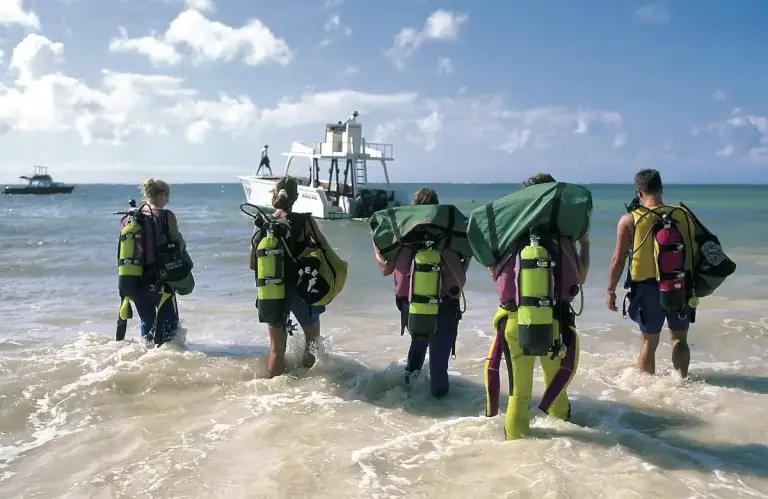
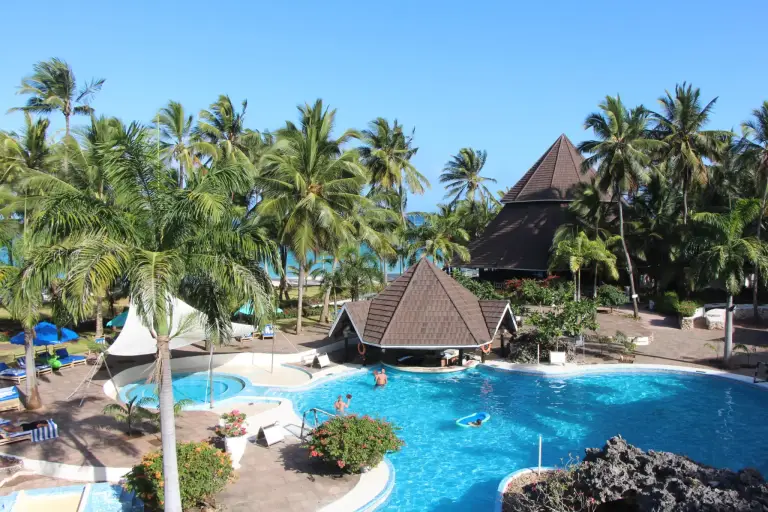
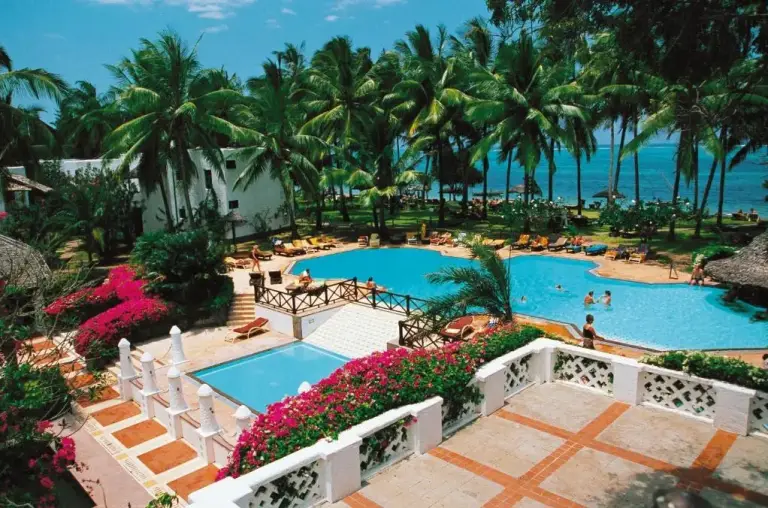
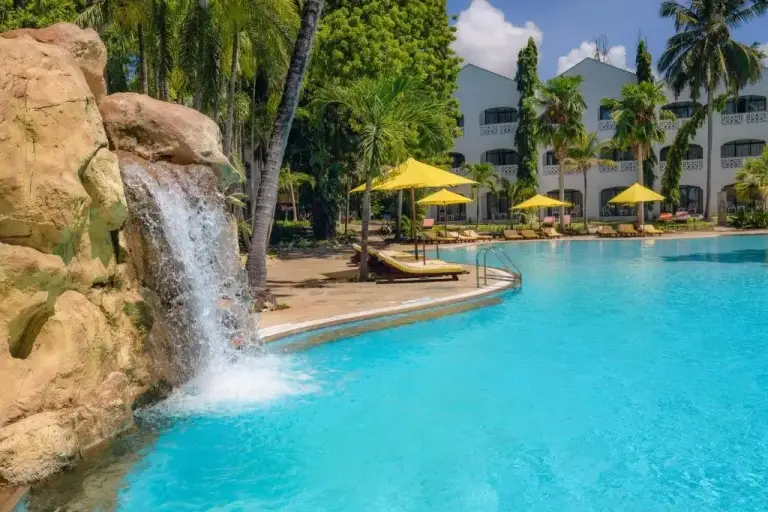
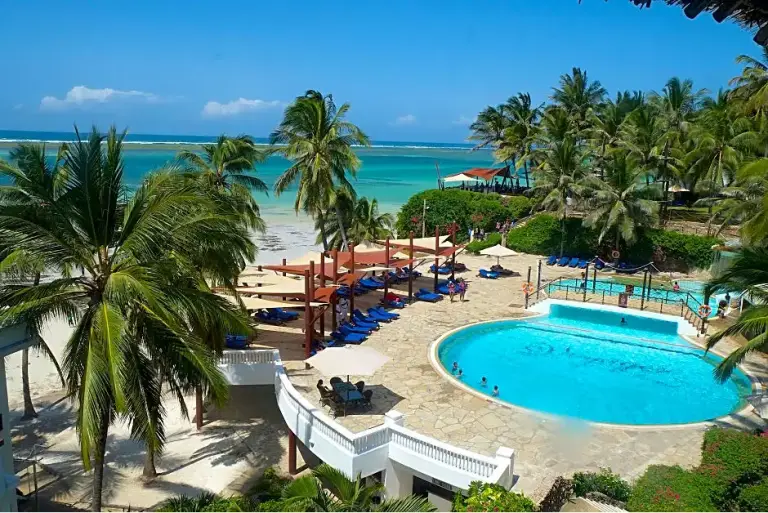
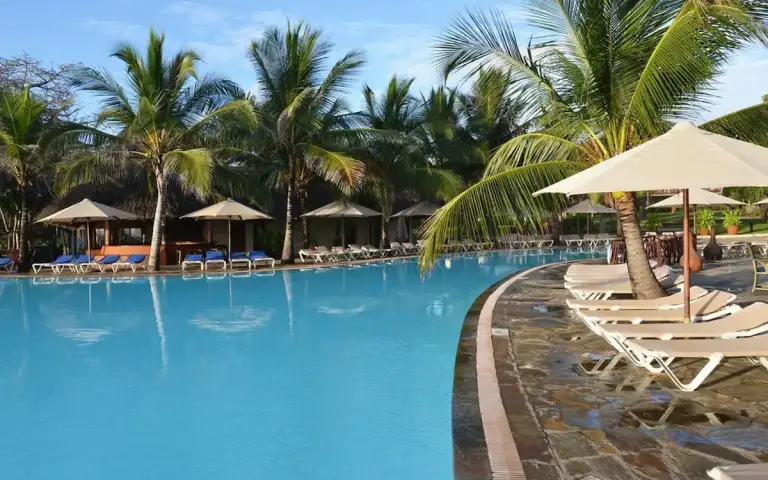
Kenya's second largest city and biggest port. A perfect beach stay extension to relax and enjoy the sun and sand at the end of your Kenya Safari Holidaysexperience. Coral reefs fringe the coast, providing fantastic snorkeling and diving opportunities, especially at Mombasa Marine National Park and around Wasini Island. Dolphin watching and deep-sea fishing are also popular things to do in Mombasa.
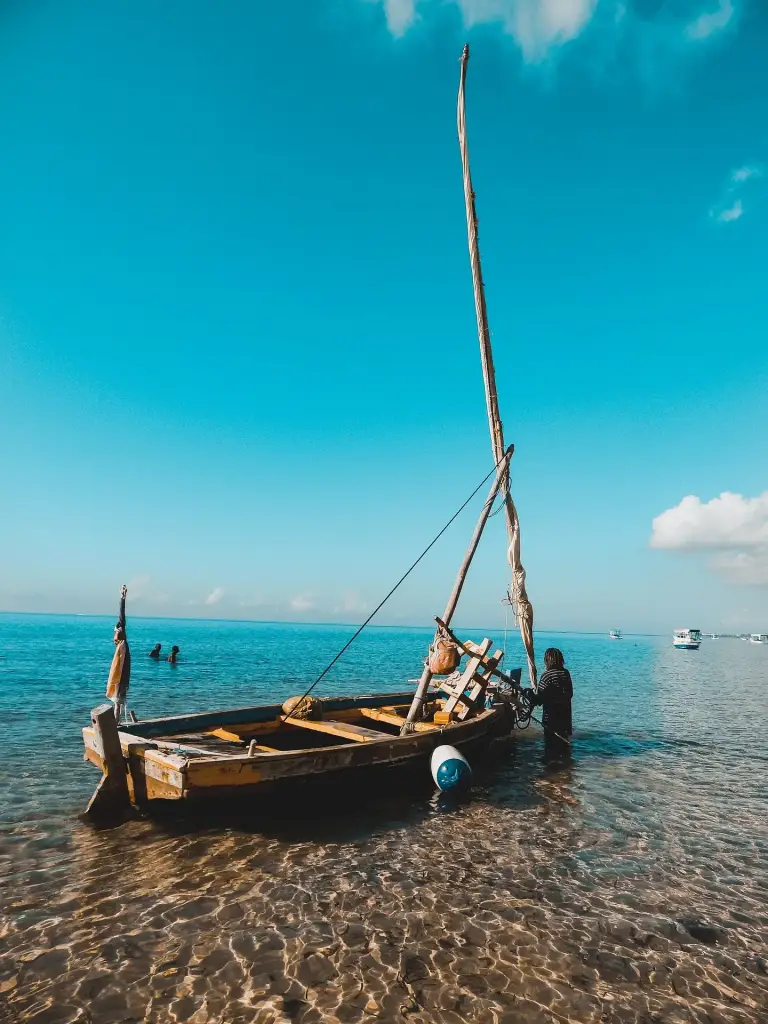
Lamu Island
This UNESCO World Heritage Site is one of the original settlements in Kenya, dating back to 1370. It is a site steeped in culture and history. It is known for offering comfortable accommodation.
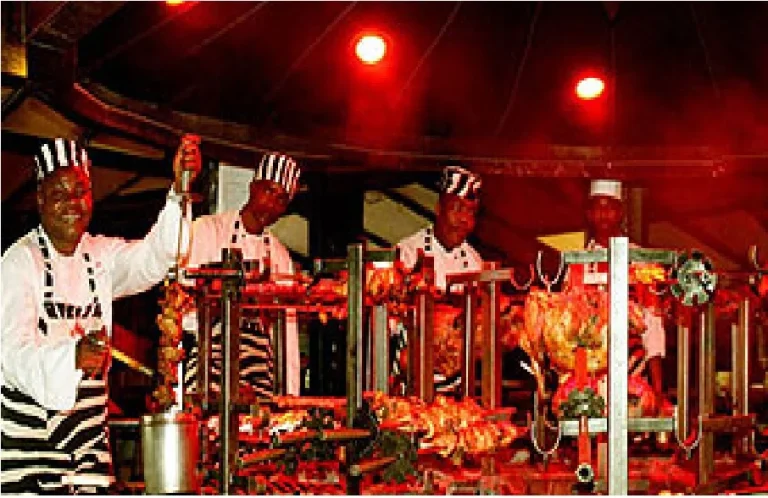
Malindi
South of Lamu, is Malindi. The area is also steeped in Swahili culture and offers a number of popular resorts. The town is 120 kilometers north of Mombasa and transfers can be provided by road from Mombasa or travelers may fly into the Malindi Airport. There are a number of popular resorts in the area.
Watamu
Here the exceptional beaches are protected by offshore coral providing an opportunity for swimming, snorkeling, SCUBA diving and deep-sea fishing. There are a range of resorts in Watamu including the five-star Hemingways Watamu Resort.
Kilifi
Not widely known, Kilifi is 53 kilometers north of Mombasa and offers pristine beaches and a small selection of resorts.
Marine Parks & Coast
Kenya has five marine parks and reserves established to protect the wealth of the undersea life along 480km of Kenya’s coastline. Diving, snorkeling and exploring this world of coral reefs teeming with life and colour is a safari itself. Dolphins, turtles, giant moray eels, rays and barracuda can be found close to shore whilst the deep blue ocean offers unlimited deep sea sport fishing in season (August to March). Experienced crews and well-equipped boats fish for marlin, sailfish, broadbill, tuna and wahoo with great success. Humpback Whales and Whale sharks visit these coastal waters from July to September to raise their young. At the Northern and Southern ends of the Kenyan coastline, idyllic, exclusive ‘Robinson Crusoe’ style hideaways can be discovered. These remote and exclusive lodges, hotels and homesteads provide seclusion, peace and tranquility with uncompromised luxury to be expected with first-class cuisine and ultimate relaxation.
When to go to Kenya
Kenya is a year-round destination. The dry months from mid-June to October are best for game viewing; April, May and November bring most of the rain, usually in short showers.
- Jan Dry
- Feb Dry
- Mar Shoulder
- Apr Wet Long rains
- May Wet Long rains
- Jun Dry
- Jul Dry Herds in the Mara
- Aug Dry River crossings
- Sep Dry
- Oct Dry
- Nov Wet Short rains
- Dec Shoulder
- Dry season, best for game viewing
- Shoulder months, some showers
- Rainy season, green and quieter
- Great Migration in this country
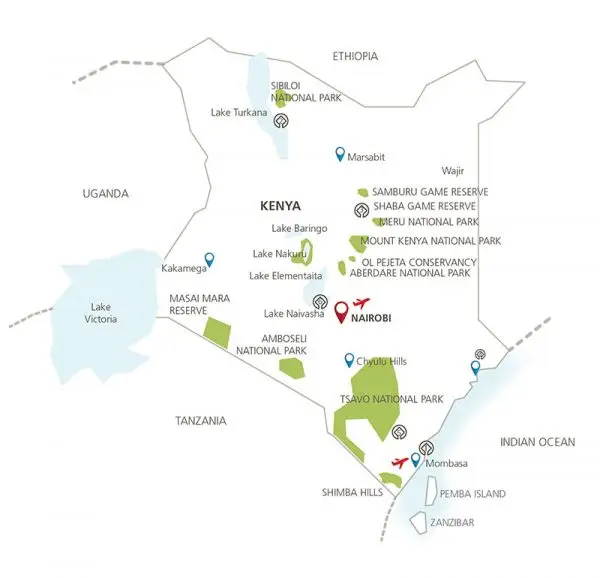
The name Kenya is almost synonymous with the word "safari." The country is renowned for her spirit of adventure and romance. Our Kenya Safari Holidays showcase a diversity of things to do dazzling all who visit. The country's abundant wildlife tops the list.Beyond the world-famous safari parks lies a trove of coastal treasures. Our Kenya Safari Holidays will certainly take you to the top wildlife and scenic locations to experience the country’s natural treasures.
Some of the must visit places on Kenya Safari Holidays include: -
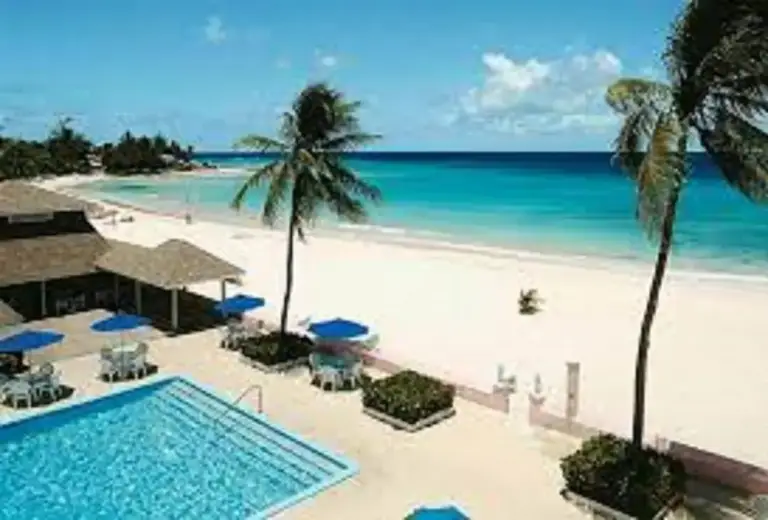
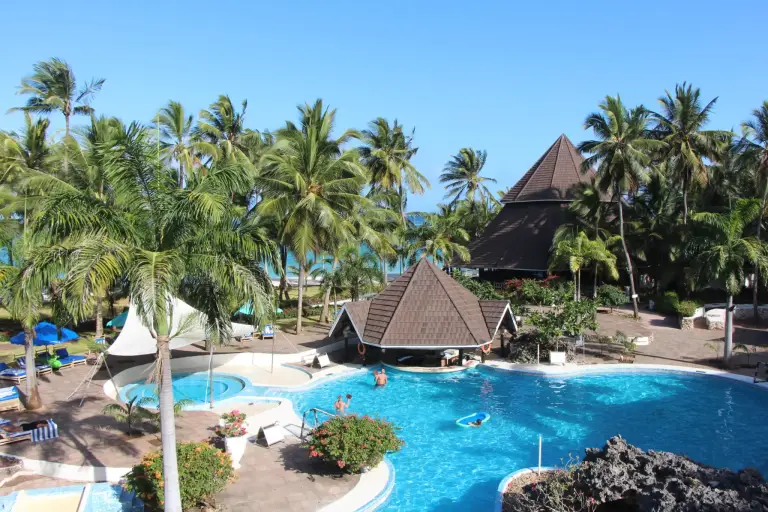
Finish with a beach stay
Fly or drive from your safari to the Indian Ocean for three to five nights.
What travellers say
Reviews from Afio Mai Africa Safaris travellers, as published on afiomai.com.
Kenya safari questions
When is the best time for a Kenya safari?
Kenya is good all year. The dry season from mid-June to October is best for game viewing, and January and February are also dry. Rain is most common in April, May and November, usually as short showers.
When is the Great Migration in the Masai Mara?
The herds usually reach the Masai Mara by June or July and stay until about October, when they head back to the Serengeti. Timing depends on the rains, so tell us your dates and we will advise on the best camps.
Do I need a visa for Kenya?
Yes. Most visitors to Kenya, Tanzania, Rwanda and Uganda need to arrange entry before they travel, and your passport must be valid for at least six months from arrival with at least three blank pages. Entry rules change, so we send current guidance for your nationality with your confirmed itinerary.
What vehicle will we travel in?
You travel in an exclusive-use 4x4 Land Cruiser with a guaranteed window seat for everyone, driven by a professional English-speaking driver-guide. Our Safari and Hospitality Directors meet you on arrival and brief you before and after the safari.
Can I combine a Kenya safari with the beach?
Yes. Many guests add three to five nights at Mombasa North Coast, Diani or Zanzibar. We arrange the flight or road transfer from your last safari stop.
Is Kenya good for a family safari?
Very. We recommend children aged five and above, and we book family rooms, early dining and child-friendly activities. Our Family Holiday Safari is designed for children of any age.
Plan your Kenya safari with us
Tell us when you would like to travel and what matters most. A safari specialist in Nairobi will send a tailor-made itinerary and price, with no obligation.
- Exclusive-use 4x4 Land Cruiser with a guaranteed window seat
- Meet-and-greet by our Safari and Hospitality Directors
- Pre- and post-safari briefings at your hotel
- Professional English-speaking driver-guides